All About Gwadar: Complete Guide to Gwadar in 2026
Gwadar has become one of the most discussed coastal cities in Pakistan because of its deep-sea port, strategic location, China-Pakistan Economic Corridor (CPEC), new infrastructure, tourism potential, and growing real estate interest. If you search for Gwadar Pakistan, Gwadar Port, Gwadar investment, or Gwadar property, you will find a city that combines an old fishing-town identity with an ambitious development agenda. The Gwadar Development Authority describes the city as a strategically located coastal center with the potential to become an important regional trade hub because of its position on the Arabian Sea and proximity to international shipping routes.
The story of Gwadar, however, is bigger than property advertisements or future-development headlines. It includes maritime trade, infrastructure, urban planning, tourism, local communities, logistics, industry, and Pakistan’s broader economic ambitions. Several major CPEC projects have already been completed, including the development of the port and Free Zone, the Gwadar Smart Port City Master Plan, Eastbay Expressway, Pak-China Friendship Hospital, a desalination plant, and the New Gwadar International Airport. Other water-supply and infrastructure projects remain under development or in the pipeline.
For anyone researching Gwadar city, this guide brings the major pieces together. It explains where Gwadar is, why the port matters, how CPEC connects with the city, what infrastructure has been developed, how the property market works, what tourists can see, and what potential investors should verify before making a decision. The most useful way to understand Gwadar is to see it not as a single real estate story but as a developing city whose long-term prospects depend on infrastructure, economic activity, population growth, and actual demand.
What Is Gwadar?
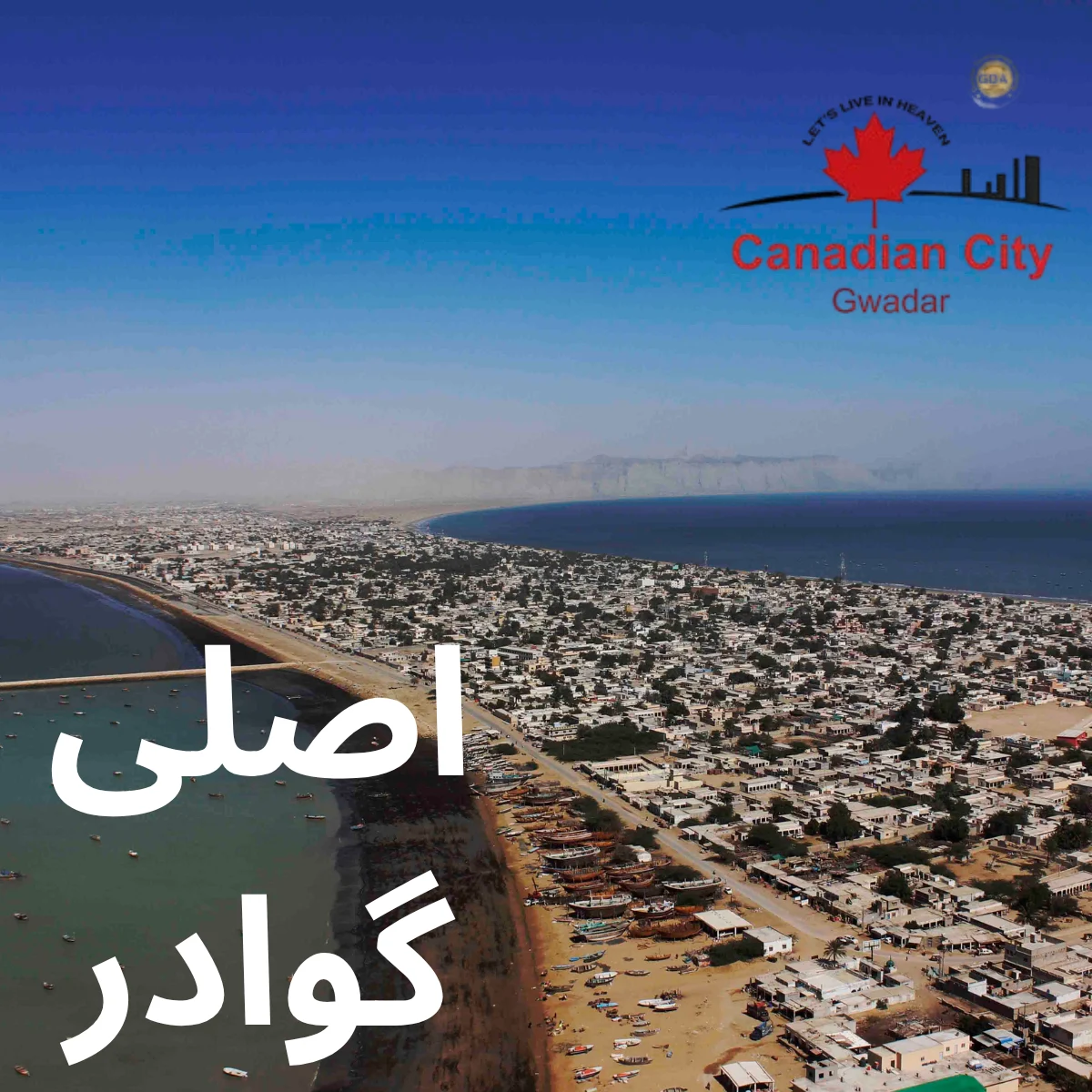
Gwadar is a coastal city and district in Balochistan, Pakistan, located on the Arabian Sea. Its geography gives it an important position along maritime routes connecting South Asia with the Middle East and other international markets. Historically, Gwadar was strongly associated with fishing and coastal communities, while its modern development has increasingly focused on ports, logistics, infrastructure, commerce, tourism, and urban expansion. The Gwadar Development Authority notes the transformation of the city from a small fishing town toward a planned regional and international trade center.
The phrase Gwadar Pakistan is now closely associated with several major concepts: Gwadar Port, CPEC Gwadar, Gwadar Free Zone, New Gwadar International Airport, Gwadar investment, and Gwadar real estate. These subjects are interconnected. A functioning port requires roads and logistics infrastructure; businesses require industrial and commercial areas; workers need housing and services; and tourists require transportation, hospitality, and recreational facilities. That is why development in Gwadar cannot be judged from one project alone.
Gwadar’s Location and Strategic Importance
Gwadar’s location is one of its defining characteristics. The city sits on Pakistan’s southwestern coast in Balochistan, giving it direct access to the Arabian Sea. The location is particularly relevant to maritime trade because the port is designed to serve commercial shipping and connect regional markets with wider international trade networks.
The city’s strategic importance is also linked to CPEC. Official CPEC documentation identifies the development of the port and Free Zone, the Smart Port City Master Plan, Eastbay Expressway, airport, hospital, vocational institute, and other infrastructure as part of Gwadar-related development. This means that Gwadar development involves a broad network of projects rather than a single construction site.
History of Gwadar
Gwadar’s history stretches well beyond modern CPEC development. The coastal region has long been connected with fishing, maritime activity, and communities living along the Makran coast. Its geographic position has made the wider area relevant to regional movement and commerce for centuries. The modern transformation of Gwadar accelerated after the development of its deep-sea port became a national economic priority.
The city’s transition is important because it explains why Gwadar sometimes looks very different depending on which part of the city a person visits. Traditional coastal communities, fishing activity, government infrastructure, new roads, housing developments, commercial projects, and port-related facilities can exist within the same broader urban landscape. This mixture gives Gwadar city a character that is different from established Pakistani metropolitan centers.
Understanding this history also helps explain why development should be viewed over the long term. Building physical infrastructure is only one stage of urban transformation. A successful city also needs businesses, employment, residents, services, education, healthcare, retail activity, and consistent transportation connections. Gwadar’s future therefore depends not only on projects being constructed but also on how effectively economic activity grows around them.
Gwadar Port and Its Economic Role
The centerpiece of modern Gwadar development is Gwadar Port. The port is intended to support maritime trade and strengthen Pakistan’s position as a regional logistics and commercial hub. Its development is officially included among major CPEC projects, alongside supporting infrastructure designed to connect the port with the wider city and region.
A port does not operate in isolation. Ships, cargo, customs operations, warehouses, roads, industrial users, logistics companies, financial services, and workers all form part of the ecosystem surrounding a commercial port. This is why projects such as the Eastbay Expressway, Free Zone, water infrastructure, and airport are relevant when discussing Gwadar Port.
For Pakistan, the wider idea is to develop Gwadar into a node connecting maritime trade with inland markets and regional economies. The actual economic impact, however, depends on cargo volumes, industrial activity, business participation, infrastructure reliability, and sustained demand. Infrastructure creates capacity; businesses and people ultimately determine how intensively that capacity is used.
Gwadar Port Free Zone
The Gwadar Free Zone is another important component of the city’s economic plan. According to the official CPEC project page, land allocated for the Gwadar Free Zone includes approximately 2,281 acres, while the development plan includes roads, water, power, customs facilities, warehouses, offices, security, and other supporting infrastructure. The official project information also records that the first 60-acre phase was completed and that development of a larger second phase began in 2021.
The concept behind the Free Zone is to create an environment where industrial, commercial, logistics, and related activities can develop around the port. If business activity expands, the effects can extend beyond the port itself. Demand for offices, warehouses, transportation, accommodation, retail, housing, and professional services can grow alongside industrial and commercial activity.
Gwadar and CPEC
CPEC Gwadar is one of the most frequently searched combinations surrounding the city because Gwadar is an important component of the China-Pakistan Economic Corridor. CPEC-related development has supported major infrastructure projects in Gwadar, including the port and Free Zone, airport, Eastbay Expressway, hospital, vocational institute, desalination facilities, and urban planning initiatives.
The significance of CPEC should therefore be understood as a development framework rather than simply a single road or port project. The broader objective is to improve connectivity and support economic activity through transportation, energy, industrial, and urban infrastructure. Gwadar’s role within that framework is strongly connected with maritime access and regional trade.
At the same time, infrastructure development does not automatically guarantee immediate economic transformation. The city’s long-term performance depends on how effectively completed infrastructure attracts businesses, residents, investment, tourism, and trade. This distinction is especially important for anyone researching Gwadar investment.
New Gwadar International Airport
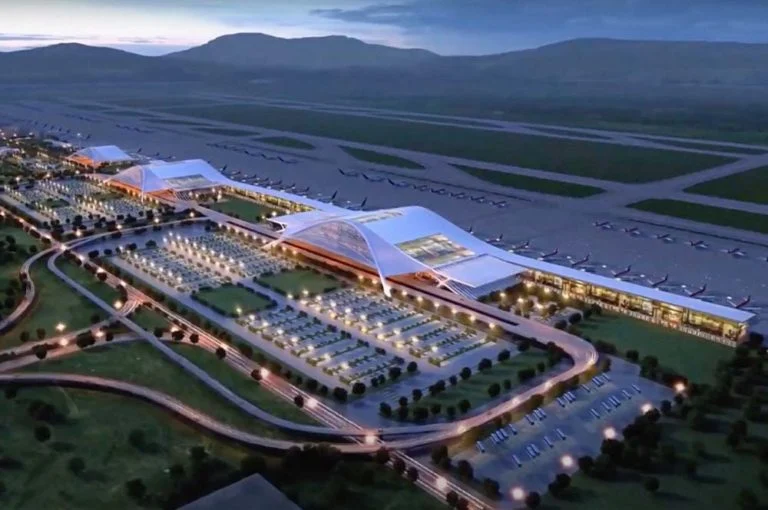
The New Gwadar International Airport is one of the city’s most important transportation projects. Official CPEC information states that the airport is located at Gurandani, around 26 kilometers from Gwadar City, and was completed and inaugurated on October 14, 2024. The project was designed to accommodate both domestic and international aircraft.
An international airport can contribute to urban development by improving accessibility for residents, businesses, investors, government officials, and tourists. Better air connectivity can also reduce travel barriers for people who previously depended heavily on road transportation. For a geographically distant coastal city, accessibility is particularly important.
The airport should therefore be considered alongside the port and road network. When transport systems work together, they can create a stronger platform for tourism, commerce, business travel, and regional connectivity. This is one reason New Gwadar International Airport continues to feature prominently in discussions about the city’s future.
Gwadar Infrastructure and Development
Modern Gwadar development includes a wide range of infrastructure projects. The official CPEC Gwadar project list identifies completed projects such as the port and Free Zone development, Smart Port City Master Plan, technical and vocational institute, Eastbay Expressway, Pak-China Friendship Hospital, desalination plant, and New Gwadar International Airport. It also lists water-treatment and supply facilities as under construction and additional projects in the pipeline.
This infrastructure matters because cities develop through connected systems. A road without economic activity has limited impact; a port without supporting logistics has limited capacity; and housing without residents has limited commercial value. The strongest urban development occurs when transportation, utilities, employment, housing, healthcare, education, commerce, and recreation grow together.
Eastbay Expressway and Connectivity
The Eastbay Expressway Gwadar is designed to improve connectivity between Gwadar Port and the wider road network. It is listed by the CPEC Secretariat among completed Gwadar projects.
Improved road connectivity can reduce transportation friction for cargo and people. For a port city, this is particularly important because logistics depend on predictable movement between maritime facilities, industrial areas, warehouses, and inland destinations. Over time, improved connectivity can also influence the attractiveness of surrounding commercial and residential areas.
Gwadar Smart Port City Master Plan
The Gwadar Smart Port City Master Plan provides the broader planning framework for the city’s development. According to the official CPEC project information, the master plan aims to create a strategic vision for Gwadar, integrate the city plan with the port master plan, encourage sustainable development, and support socio-economic development across the Makran coast. The plan was completed and approved in 2019.
Urban planning is especially important in a rapidly developing city. Without effective planning, residential expansion can occur without sufficient roads, utilities, public spaces, drainage, commercial areas, or community services. A master plan attempts to coordinate these different requirements.
The Gwadar Development Authority also identifies the Central Business District Gwadar as an important development area on the West Bay, with approximately 2.5 kilometers of coastline frontage. This demonstrates how the city’s planning vision extends beyond the port into broader commercial and urban development.
Gwadar Real Estate Market
The Gwadar real estate market attracts attention because investors often associate the city’s infrastructure development with future property demand. Residential plots, commercial plots, houses, apartments, and housing schemes are among the property categories available in the market. Current market information shows considerable variation between locations and projects, meaning there is no single “Gwadar property price” that accurately represents the entire city.
For example, current property-index data from Zameen shows different price levels and recent movements across individual Gwadar areas, illustrating why location-specific research is essential. Real estate buyers should therefore avoid relying on a single citywide price figure or a general claim that every Gwadar plot will appreciate.
Housing Schemes and Residential Plots
Housing schemes in Gwadar vary in location, development stage, plot size, infrastructure, legal status, and market demand. Current 2026 market guides identify projects such as New Town, Singhar Housing Scheme, and Maanbar among the schemes being discussed by property buyers.
When comparing a housing scheme, buyers should examine documentation before focusing on marketing claims. The relevant questions include: Is the project approved? What is its NOC status? Where exactly is the land? What infrastructure has actually been completed? Are utilities available? Is possession available? Who is the developer? What are the transfer requirements? What is the resale market like?
The GDA approval question is particularly important. The Gwadar Development Authority provides official information and services related to housing schemes and planning, while its website provides contact information for verification and official inquiries.

Gwadar Investment Opportunities
Gwadar investment opportunities can broadly be divided into real estate, commercial activity, hospitality, tourism-related businesses, logistics, and businesses connected with port development. Property remains one of the most visible investment categories, but investors should understand that infrastructure development and property returns are not the same thing.
A recent 2026 market analysis describes Gwadar’s property market as relatively illiquid and emphasizes the difference between infrastructure delivery and actual demand. This is an important consideration because an investor may own a legally valid property while still finding it difficult to sell quickly at the desired price.
A sensible approach is to consider location, legal status, development, liquidity, holding period, and demand together. Investors should also distinguish between verified facts and promotional forecasts. Statements about future prices should be treated as projections rather than guaranteed outcomes.
Commercial Property in Gwadar
Commercial plots in Gwadar are closely connected with the city’s long-term economic ambitions. As businesses, logistics operations, hotels, offices, shops, and service providers expand, commercially located property may become more relevant. However, commercial property requires actual business demand. A commercially designated plot does not automatically become valuable simply because it is located within a developing city.
Location is particularly important. Properties near major roads, established commercial corridors, employment centers, port-related activity, and populated residential areas may have different demand characteristics from properties located far from existing activity. Buyers should study the actual surroundings rather than purchasing based only on a map or future-development illustration.
Tourism and Famous Places in Gwadar
Gwadar tourism is another part of the city’s identity. The coastal landscape, Arabian Sea views, beaches, Marine Drive, parks, and surrounding natural attractions give Gwadar a tourism profile that differs from inland Pakistani cities. The Gwadar Development Authority highlights attractions including GDA Park, GDA Sunset Park, and Gwadar Marine Drive.
Tourism can contribute to local economic activity through hotels, restaurants, transportation, retail, recreational services, and guided experiences. The city’s coastline is especially important because visitors can combine urban exploration with sea views and coastal scenery.
For tourism to become a major economic sector, however, accessibility, hospitality infrastructure, cleanliness, safety, public facilities, and consistent visitor demand all matter. A beautiful coastline provides the foundation, but tourism requires an ecosystem of services around it.
Beaches and Marine Attractions
The coastline is one of Gwadar’s strongest natural features. The city’s relationship with the sea shapes its history, economy, culture, and tourism potential. Marine Drive provides an important public-facing coastal corridor, while surrounding beaches and viewpoints offer opportunities for recreation and sightseeing.
For visitors searching for places to visit in Gwadar, the coastline is usually one of the first areas to explore. The GDA specifically promotes Marine Drive and its parks as local attractions.
Gwadar’s coastal environment also highlights the importance of sustainable development. Urban expansion should be balanced with environmental management so that economic development does not damage the natural resources that make the city attractive in the first place.
Gwadar’s Economy and Future Potential
The future of Gwadar economy depends on whether infrastructure can translate into sustained economic activity. The city’s development strategy includes port operations, industrial and commercial activity, logistics, tourism, urban services, and regional connectivity. The Smart Port City Master Plan specifically aims to guide economic and socio-economic development while integrating the city with the port.
There are genuine development assets in place, including the port, airport, road infrastructure, hospital, vocational institute, Free Zone development, and water projects. The key question for the coming years is how extensively these assets are used.
This is also where property investors should be realistic. A city can receive billions of rupees worth of infrastructure while property demand develops more slowly. The 2026 market evidence is mixed: infrastructure is clearly visible, while some real estate analysts describe liquidity and demand as continuing challenges. Both sides of the picture matter when researching Gwadar future.
Challenges Facing Gwadar
Every major development project faces challenges, and Gwadar is no exception. The city must continue improving water availability, utilities, employment opportunities, local economic activity, connectivity, and public services. Official CPEC information itself shows that some water and infrastructure projects remain under construction or are still planned.
Another challenge is the difference between planned development and realized demand. Real estate markets require buyers and sellers, while cities require residents and businesses. If development happens faster than population and economic activity, property can remain difficult to trade.
For investors, this means Gwadar property investment should be approached with a long-term perspective and proper due diligence. Claims about guaranteed returns, guaranteed price increases, or instant appreciation should never replace documentation and independent verification.
Things to Check Before Buying Property in Gwadar
Anyone considering buying property in Gwadar should verify the project before paying a booking amount or transferring funds. Legal status, ownership, NOC or approval, development status, location, possession, utilities, transfer procedures, and developer credentials are all important.
A buyer should also compare the advertised price with current market evidence. Current property data shows significant differences between Gwadar locations, so a citywide average can be misleading.
A practical checklist includes:
- Verify the project’s legal and approval status with the relevant authority.
- Confirm the exact plot location and dimensions.
- Check whether development and utilities actually exist on the ground.
- Understand the payment plan and all additional charges.
- Ask about possession and transfer procedures.
- Research recent comparable transactions where reliable data is available.
- Consider resale liquidity rather than focusing only on projected future prices.
- Keep official receipts, allotment documents, agreements, and transfer records.
The most important principle is simple: verify before you invest. A glossy brochure can show a future city, but an investor needs to understand the present legal and physical status of the property.
Why Gwadar Remains Important for Pakistan
Gwadar remains important because it brings together geography, maritime trade, infrastructure, regional connectivity, and long-term urban planning. The official development program includes a combination of port infrastructure, transportation, aviation, healthcare, education, water supply, industrial development, and city planning.
The city’s importance is therefore not limited to real estate. If commercial and industrial activity expands, Gwadar could support employment, logistics, services, tourism, and regional trade. If these sectors grow more slowly, the city may take longer to achieve the economic scale anticipated by some development narratives.
For readers researching all about Gwadar, that balanced perspective is essential. Gwadar has substantial infrastructure and strategic importance, but its long-term transformation will ultimately be measured by actual economic activity, population growth, business creation, trade, tourism, and quality of urban life.
Canadian City Gwadar: A Top and Affordable Housing Scheme in Gwadar
Canadian City Gwadar is a residential and investment project positioned within the developing real estate landscape of Gwadar. For buyers searching for a top housing scheme in Gwadar that also offers affordable plot options, Canadian City provides an opportunity to explore residential and commercial property in a developing coastal city. Its appeal is connected with Gwadar’s wider infrastructure development, including the port, road network, airport, and other urban projects that are shaping the city’s future.
Affordability is one of the factors that can make a housing project attractive to both first-time buyers and long-term investors. Canadian City Gwadar offers affordable property options in Gwadar, allowing buyers to consider plots according to their budget rather than focusing only on premium-priced locations. The project’s positioning makes it relevant for people searching online for an affordable housing scheme in Gwadar, best housing scheme in Gwadar, housing society in Gwadar, and property investment in Gwadar.

Why Canadian City Gwadar Is Considered a Top Housing Scheme
The term top housing scheme in Gwadar can refer to several factors, including location, development progress, accessibility, affordability, infrastructure, documentation, plot options, and potential demand. Canadian City Gwadar is marketed around these factors, giving buyers an option to consider when comparing housing schemes in Gwadar.
For someone researching property in Gwadar, the right approach is to compare projects based on verifiable information rather than relying only on promotional claims. Buyers should review the project’s approval status, development work, available facilities, location, plot categories, payment plans, possession status, and transfer procedures before making a purchase decision.
Affordable Property Investment in Gwadar
One of the key attractions of Canadian City Gwadar is its focus on affordability. Property buyers often search for an affordable housing scheme in Gwadar because entering the real estate market can require substantial capital, particularly in developed or highly commercialized areas. A project offering different plot sizes and payment options can make property ownership more accessible to a broader range of buyers.
Canadian City Gwadar can therefore be considered by buyers who want to research affordable plots in Gwadar while also keeping the city’s wider development story in view. However, property prices and future returns can change, so buyers should independently verify current prices, availability, legal documentation, development status, and market conditions before investing.
Canadian City Gwadar for Residential and Investment Purposes
The appeal of a housing scheme is not limited to today’s price. Buyers may also consider whether the surrounding area is developing, whether infrastructure is improving, and whether residential or commercial demand is emerging. Gwadar’s broader development—including its port, airport, roads, commercial areas, and tourism potential—continues to make the city an important subject for property research.
For buyers specifically searching for top housing scheme in Gwadar 2026, Canadian City Gwadar is one project they can include in their comparison. Rather than choosing a property solely because of a “top” or “best” label, investors should examine the underlying facts and compare projects on the criteria that matter to them.
A Practical Choice for Buyers Looking for Affordable Plots
If affordability is your primary consideration, Canadian City Gwadar can be researched alongside other housing schemes in Gwadar. Before booking a plot, prospective buyers should verify the project’s documentation, approval status with the relevant authority, exact location, development status, utilities, payment schedule, possession terms, and resale conditions.
This makes Canadian City relevant to searches such as affordable plots in Gwadar, best housing society in Gwadar, residential plots in Gwadar, property investment in Gwadar, and top housing scheme in Gwadar. The final investment decision should be based on verified project information, personal financial circumstances, and independent due diligence.
FAQs About Gwadar
1. What is Gwadar famous for?
Gwadar is best known for its strategic coastal location, deep-sea port, CPEC-related development, Free Zone, new international airport, and Arabian Sea coastline. The city is also becoming increasingly known for tourism and real estate.
2. Why is Gwadar important for CPEC?
Gwadar is an important component of CPEC because major projects in the city include port and Free Zone development, transportation infrastructure, airport facilities, urban planning, healthcare, and water infrastructure.
3. Is Gwadar a good place to invest in property?
Gwadar has a developing property market, but investment outcomes depend on location, legal status, development, demand, liquidity, and holding period. Current 2026 market analysis indicates that some parts of the market remain relatively illiquid, so buyers should conduct detailed due diligence rather than assume guaranteed appreciation.
4. What are the main places to visit in Gwadar?
Popular attractions include Gwadar Marine Drive, GDA Park, GDA Sunset Park, and the city’s coastal viewpoints and beaches. The Gwadar Development Authority lists several of these locations among the city’s attractions.
5. What should I check before buying a plot in Gwadar?
Check the project’s approval or legal status, ownership documentation, exact location, development status, possession, utilities, payment terms, transfer process, and current market demand. Buyers should verify important information with the relevant authority and obtain independent professional advice before making a transaction.