

Top Investment by CPEC in Gwadar – Canadian City Gwadar
Introduction to CPEC and Gwadar’s Investment Potential
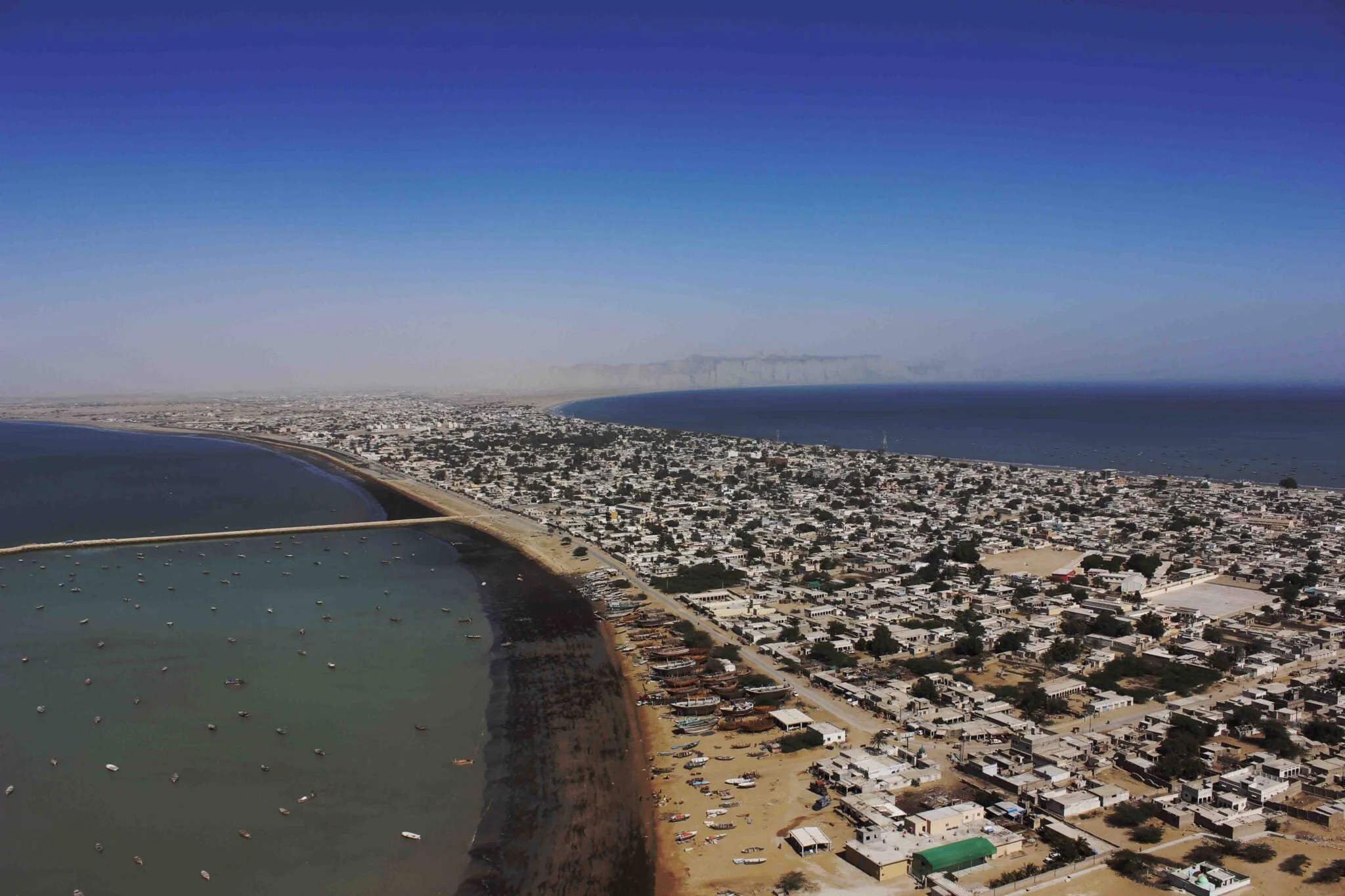
Gwadar is becoming an increasingly important part of Pakistan’s economic development story. Located along the Arabian Sea in Balochistan, this coastal city has strategic importance because of its deep-sea port, regional connectivity, and role in the China-Pakistan Economic Corridor (CPEC). For investors looking at Pakistan’s real estate market, Gwadar offers a long-term opportunity to explore property investment alongside infrastructure and commercial development. However, the city’s future growth depends on several factors, including infrastructure delivery, economic activity, local employment, and demand for housing.
The China-Pakistan Economic Corridor is a major economic cooperation initiative connecting Pakistan and China through infrastructure, transportation, energy, and trade-related projects. Gwadar plays a significant role in this vision because its port and surrounding commercial areas could support maritime trade, logistics, warehousing, and industrial activity. According to the official CPEC project directory, Gwadar has seen the completion of several major projects, including the port and Free Zone development, East Bay Expressway, Pak-China Friendship Hospital, technical and vocational training institute, and New Gwadar International Airport.
These developments help establish the foundation for future economic activity, although they do not guarantee immediate property price increases.
For people considering the top investment by CPEC in Gwadar, it is useful to understand how infrastructure development may influence residential and commercial property demand. One project worth researching is Canadian City Gwadar, a private housing development that advertises residential and commercial plots. Its official website describes the project as covering approximately 346 acres and states that it has approval from the Gwadar Development Authority (GDA).
Prospective buyers should independently verify the relevant approvals, plot documentation, development progress, and current prices before investing. By combining an understanding of CPEC with careful property research, investors can make decisions based on evidence rather than promises.
Major CPEC Investments Transforming Gwadar
CPEC-related investment in Gwadar includes several types of infrastructure rather than a single construction project. Port facilities support maritime operations, roads improve transportation, airport infrastructure strengthens air connectivity, and water projects address essential requirements for residents and businesses. Together, these facilities can contribute to a stronger economic environment if they are supported by consistent operations, private-sector participation, and public services.
The official CPEC Secretariat categorizes Gwadar projects according to their progress, including completed, under-construction, and pipeline projects. This distinction is important because an operational facility can have a different economic impact from a project that remains at the planning or financing stage.
Investors should therefore examine the current status of individual projects instead of treating every announced investment as completed development.
Gwadar Port and Free Zone Development
Gwadar Port is central to the city’s long-term economic potential. A functioning port can create demand for shipping services, cargo handling, storage, transportation, equipment maintenance, and other supporting businesses. If these activities expand, they may also increase demand for accommodation, retail outlets, offices, and housing for workers and business owners. This is the economic connection that makes the port relevant to real estate investors.
The Gwadar Port Free Zone is intended to support industrial and commercial activity around the port. The official CPEC project page describes an allocated Free Zone area of 2,281 acres and outlines infrastructure requirements such as access roads, utilities, warehouses, customs facilities, and security. It also records development activity and enterprise registrations in the zone.
These details demonstrate the intended commercial role of the area, but investors should distinguish registered enterprises from businesses that are actively operating and generating local employment.
In July 2026, the Gwadar Port Authority also reported signing a letter of intent with China’s Optimize Integration Group to explore investment promotion, supply-chain integration, seafood processing, and export-oriented industries.
This development indicates continued interest in commercial cooperation, although a letter of intent should not be confused with a completed investment or a guaranteed business outcome.
For a real estate buyer, the key question is how much sustained commercial activity develops around these facilities. The growth of local employment and business operations could support property demand over time. However, the relationship is not automatic: an investor should consider the exact location of a plot, accessibility, utilities, legal status, and the actual demand for nearby property.
New Gwadar International Airport
The New Gwadar International Airport is another important infrastructure project associated with Gwadar’s development. The official CPEC progress information records its completion and inauguration on 14 October 2024.
Modern airport infrastructure can improve the city’s ability to receive passengers and support business travel, cargo-related activity, and connections with other parts of Pakistan and beyond.
For investors, an airport is one element of a larger economic system. Its potential benefits depend on flight schedules, passenger numbers, airline participation, ground transportation, and the growth of businesses that use the facility. The existence of a modern terminal alone does not establish the level of commercial demand that a property market will experience.
Airport connectivity may help make Gwadar more accessible to entrepreneurs, government officials, workers, and visitors. If economic activity expands alongside reliable transportation, demand for accommodation, restaurants, shops, and residential property may increase in suitable locations. These are possible outcomes rather than guaranteed results, and their timing depends on actual airport use and broader economic conditions.
Anyone researching property investment in Gwadar in 2026 should consider the airport as part of a broader infrastructure picture. Instead of purchasing land solely because it is advertised as being near an airport, buyers should check the precise distance, road access, applicable land-use rules, and whether the surrounding area is suitable for residential or commercial development.
East Bay Expressway and Regional Connectivity
Road connectivity is essential for turning infrastructure investment into everyday economic activity. The East Bay Expressway was developed to improve the movement of traffic associated with Gwadar Port and connect the port with the wider road network. The official CPEC project directory lists the expressway among Gwadar’s completed projects and records its inauguration in June 2022.
Improved roads can reduce transport obstacles and make commercial locations more accessible. Businesses often consider the time and cost involved in moving goods, receiving supplies, and transporting employees. When connectivity improves, some areas may become more attractive for warehouses, workshops, retail activity, and housing. The extent of these benefits depends on the road network as a whole, the volume of traffic, and the location of businesses.
The wider road network also matters because Gwadar’s economic role is connected to other cities and markets. Better links can support the movement of people and goods, but commercial benefits depend on trade demand and the effective use of the infrastructure. Road construction should therefore be viewed as a foundation for economic growth rather than proof that every nearby plot will appreciate.
When evaluating Canadian City Gwadar or another housing project, buyers should assess actual access routes and travel conditions. A location that offers convenient road access may be useful for future residents, but road proximity alone cannot establish whether a property is fairly priced or likely to generate a profit.
Water Supply, Healthcare, and Human Development
A city cannot develop sustainably through transport and commercial infrastructure alone. Residents need reliable water, healthcare, education, electricity, sanitation, and other basic services. These factors influence whether workers and families can live comfortably in an area and whether businesses can operate without excessive disruption.
Gwadar’s CPEC project portfolio includes the Pak-China Friendship Hospital and a 1.2 million-gallon-per-day desalination plant, both listed as completed projects. The official project directory also identifies further water-supply and desalination work among the projects requiring development or implementation.
Such facilities address important needs, although the quality and reliability of services available in any particular neighbourhood must be checked separately.
Healthcare facilities can benefit residents and workers while contributing to the broader attractiveness of a city. Technical and vocational training can also help local people gain skills relevant to construction, logistics, maintenance, and commercial services. The establishment of the Pak-China Technical and Vocational Institute reflects this wider human-development dimension of Gwadar’s infrastructure programme.
Water availability deserves particular attention from property buyers. A housing scheme may advertise development plans, but investors should verify whether water connections are operational, how supply is managed, and what arrangements exist for sanitation and electricity. These services can affect construction costs, maintenance expenses, occupancy, and the practical usefulness of a plot.
For Canadian City Gwadar, buyers should inspect the specific block and development stage they intend to purchase. Ask for documented information about available utilities, road construction, drainage, and delivery schedules. A carefully planned housing project with verifiable services may be more suitable than a cheaper alternative whose infrastructure remains uncertain.
Why Gwadar Is Attracting Property Investors
Gwadar attracts interest because it combines a coastal location with major infrastructure initiatives and a long-term regional trade vision. Investors often look for locations where roads, ports, airports, and commercial facilities may encourage future population growth and economic activity. Gwadar offers a reason to study these possibilities, particularly for buyers who can take a long-term view and carefully evaluate the risks.
One potential source of demand is the workforce required by port-related industries and supporting businesses. If shipping, logistics, construction, fisheries, tourism, and commercial services expand, workers and business owners may need places to live. That demand could support housing and retail property in appropriate locations. However, the number of jobs created and the pace at which businesses become operational are critical variables, so investors should avoid assuming that all planned economic activity will occur on a fixed timetable.
Another factor is improved connectivity. Roads and airport facilities can make a city more accessible, while the Free Zone may provide opportunities for industrial and commercial enterprises. The official CPEC project directory documents these infrastructure initiatives, while the Ministry of Foreign Affairs’ May 2026 joint statement reaffirmed the intention to develop Gwadar Port as a regional connectivity hub.
Nevertheless, real estate performance depends on more than a city’s strategic importance. Buyers must assess affordability, available inventory, actual population growth, resale demand, construction costs, financing conditions, and the legal status of the property. A development can have a promising location but still deliver disappointing returns if demand grows more slowly than expected.
The most sensible approach is to regard Gwadar as a market with potential and uncertainty. Investors should compare different locations and housing projects, establish a realistic investment horizon, and avoid relying exclusively on promotional claims about future prices.
Canadian City Gwadar: A Property Investment Opportunity
Canadian City Gwadar is a private property development that markets residential and commercial plots to people interested in the city’s real estate sector. Its official website states that the project covers approximately 346 acres and describes it as a GDA-approved housing development associated with Phase 1 of Gwadar’s master plan.
These advertised features give prospective buyers a starting point for their research. A housing project’s stated size, location, planning status, plot options, and payment structure can help investors determine whether it deserves further consideration. However, marketing information is not a substitute for independently checking the current approval documents, the approved layout plan, ownership records, and the status of development work.
Canadian City Gwadar may be worth evaluating for people seeking residential land for future construction or commercial plots for a longer-term strategy. The suitability of either option depends on the buyer’s budget, intended use, and willingness to accept market risk. A residential plot intended for a future home may require a different location and time horizon from a commercial plot purchased for rental income or resale.
The project should be assessed on its own merits rather than treated as a direct recipient of CPEC investment. CPEC infrastructure projects and Canadian City Gwadar are separate initiatives. CPEC-related development may influence the wider local economy, but that does not establish a direct financial partnership between CPEC and the housing scheme. Buyers should request written confirmation of any specific relationship or benefit claimed by a salesperson.
Location, Planning, and Residential Opportunities
Location is one of the most important considerations when choosing a property. Canadian City Gwadar’s official website identifies its location on Main Mand Avenue and promotes residential
Before making a decision, buyers should check the exact location on an official map, assess current access roads, and establish the distance from relevant employment centres, commercial areas, and public facilities.
Residential land can suit buyers who want to construct a home in the future, hold a plot for several years, or maintain a property asset as part of a diversified investment strategy. However, the value of a residential plot depends on the development’s legal status, the availability of essential utilities, local housing demand, and the cost of completing construction. Buyers should also consider whether they expect to use the property themselves or rely on a future sale.
Canadian City Gwadar advertises a range of residential and commercial plot options. The precise sizes, prices, availability, and payment terms may change, so investors should request a current written quotation and compare it with other properties in the same area. A larger plot is not necessarily a better investment if it requires a higher outlay and attracts limited resale demand.
Before booking, review the allotment process, transfer rules, possession conditions, development charges, and cancellation policy. Make sure the plot number and dimensions match the approved plan and that all payments are acknowledged through official receipts. These checks can help reduce avoidable disputes and make the buying process more transparent.
Commercial Plots and Flexible Payment Options
Commercial property can offer opportunities for shops, offices, service businesses, and other permitted uses. In a city where port activity and trade may expand, commercial land can attract interest from buyers who anticipate future demand for business premises. However, commercial property can also be difficult to resell or rent when local business activity is limited.
Canadian City Gwadar promotes both commercial and residential plots. Prospective buyers should obtain the latest commercial plot inventory, approved land-use information, and full payment schedule directly from the project’s authorized representatives. It is particularly important to verify whether a particular plot is approved for the intended commercial activity and whether the required roads and utilities are available.
Installment plans may make property purchases accessible to buyers who cannot pay the entire amount immediately. Canadian City Gwadar’s website advertises installment-based purchasing and a down-payment option.
However, buyers should calculate the full contractual cost rather than focusing only on the initial payment.
| Factor | What investors should check |
| Initial payment | Amount due at booking and its refund conditions |
| Monthly installments | Number of payments, due dates, and late fees |
| Additional charges | Development charges, transfer fees, taxes, and other costs |
| Possession | Conditions and expected schedule in the written agreement |
| Commercial use | Permitted activities under the approved layout |
| Resale | Transfer rules and evidence of actual buyer demand |
An installment plan should fit comfortably within the investor’s finances. Buyers should not rely on assumed future price increases to meet their obligations, particularly when their income or savings are uncertain. A realistic budget should include emergency funds and all expected property-related costs.
How CPEC Infrastructure Could Influence Property Demand
Infrastructure investment can influence property markets through several economic channels. Roads can improve accessibility, ports can support commercial activity, and airports can make business travel easier. If these developments help attract employers and workers, the resulting need for housing and commercial space may support demand in suitable parts of the city.
For example, a logistics company may need storage space, offices, and accommodation for its workforce. Employees may require rental homes, shops, transport, and everyday services. If several businesses establish sustainable operations, demand can spread beyond the immediate industrial area into nearby residential and commercial locations. This is a plausible pathway through which economic development may affect real estate, but it depends on actual business activity rather than infrastructure announcements alone.
For Canadian City Gwadar, the potential benefit lies in being part of a broader city that may develop as trade and industry grow. The project’s location, road access, utilities, legal documentation, and local demand will determine how well it is positioned to benefit. Buyers should examine these factors rather than assume that every housing scheme in Gwadar will experience equal growth.
The timing of property returns is another important issue. Infrastructure projects often progress over several years, and the economic benefits may take longer to emerge. Even when a road or airport is operational, businesses may need additional time to establish operations, hire employees, and build customer demand. Investors should therefore prepare for the possibility of a long holding period.
A prudent investor compares the purchase price with current market evidence, considers the cost of holding the property, and evaluates alternative uses for the money. CPEC may strengthen the long-term investment case for studying Gwadar, but the final decision should depend on the specific property and the buyer’s financial circumstances.
Benefits of Investing in Gwadar in 2026
The year 2026 provides a useful point at which to assess Gwadar’s existing infrastructure and future development plans. Several major facilities are already recorded as completed in official project directories, while other projects remain under construction or in the pipeline.
This mixture of operational assets and continuing development creates opportunities for research, but it also requires investors to distinguish established progress from expectations.
One possible benefit is the opportunity to purchase property before a particular area experiences stronger demand. If commercial activity, employment, and local services expand, some properties may become more attractive to future buyers. Yet it is impossible to guarantee which locations will appreciate, how quickly values might rise, or whether gains will exceed inflation and transaction costs.
Another potential advantage is the range of property types available in the market. Residential plots may suit buyers planning to build homes, while commercial plots may appeal to people who want exposure to business-related demand. Canadian City Gwadar promotes both categories, making it a project that interested buyers can include in their comparison of available options.
Investors should also consider affordability and financial flexibility. A lower entry price or installment arrangement can make a purchase easier to manage, but affordability must be measured against the total price, future payments, and resale prospects. A plot that appears inexpensive may not represent good value if development is delayed or the market lacks active buyers.
The strongest investment decisions combine opportunity with caution. Instead of expecting immediate profits, buyers should identify their financial goals, choose a realistic holding period, and compare Canadian City Gwadar with other legally verified properties. A well-documented purchase at a reasonable price can be a more useful strategy than buying quickly because of a prediction about future prices.
Risks and Due Diligence Before Buying Property
Real estate investment carries financial and legal risks, and Gwadar is no exception. Economic activity may develop more slowly than anticipated, construction schedules may change, and property transactions may take longer than expected. These uncertainties can affect both the eventual value of a plot and the investor’s ability to sell it when money is needed.
Legal verification should be the first step. Although Canadian City Gwadar’s website advertises GDA approval, buyers should obtain the current approval documentation and verify the project’s status directly with the relevant authority.
They should confirm that the relevant block and plot are covered by the approved layout and that the seller has the legal right to transfer the property.
Ownership documents also require careful examination. Buyers should check the title or allotment record, plot identification, transfer history where applicable, outstanding dues, and any restrictions affecting sale or development. Payments should be made through verified official channels, and the buyer should retain signed agreements and receipts. Independent legal advice can help identify problems that may not be apparent from marketing material.
Development risk is another consideration. A scheme may have an approved plan but still require work on roads, drainage, electricity, water supply, or other services. Investors should inspect the site and request documented information about completed works and remaining obligations. Photographs, promotional videos, and verbal assurances should not replace a physical inspection or written evidence.
Finally, consider market liquidity. A property may be difficult to sell quickly if there are few active buyers or if the asking price exceeds market expectations. Investors should avoid committing emergency savings or borrowing more than they can comfortably repay. No housing scheme, location, or CPEC-related development can guarantee a profit.
How to Choose the Right Plot in Canadian City Gwadar
Choosing a suitable plot begins with defining the purpose of the investment. Someone planning to build a family home may prioritize access, utilities, neighbourhood conditions, and possession. A buyer focused on commercial use may prioritize road visibility, permitted land use, access for customers, and proximity to potential business activity. A long-term investor may focus more heavily on purchase price, legal security, holding costs, and future resale demand.
Once the purpose is clear, compare available plots using documented information. Ask for the approved map, exact plot dimensions, location within the project, current price, payment schedule, and any additional charges. Verify that the offered plot is available and that its identification matches the official record. If the seller describes the plot as particularly close to a major road or commercial facility, confirm the distance independently.
A site visit can reveal practical details that are difficult to judge online. Inspect the condition of access roads, nearby construction, drainage, utility connections, and the surrounding land. If a physical visit is not possible, arrange for an independent local representative to inspect the location and provide current photographs or video with verifiable details.
It is also helpful to compare prices with similar properties. Ask about recent completed transactions rather than relying exclusively on advertised asking prices. If information about actual sales is limited, treat estimated future values cautiously and avoid assuming that promotional price forecasts will become reality.
Before signing an agreement, review every payment obligation and contractual condition. Ensure that the possession timeline, transfer procedure, refund policy, and responsibility for development charges are clear. A careful process may take more time, but it helps protect the investor from avoidable financial and legal problems.
Future Prospects of Gwadar Under CPEC
Gwadar’s future will depend on how effectively its infrastructure supports a productive local economy. The port, Free Zone, airport, expressway, healthcare facilities, and water-related projects provide important foundations. Their wider economic impact will depend on how successfully they attract businesses, support employment, improve services, and connect the city with national and international markets.
Recent official statements also show that Pakistan and China continue to discuss Gwadar’s role in regional connectivity. The May 2026 joint statement identified the potential of Gwadar Port as a regional connectivity hub, while the Gwadar Port Authority’s July 2026 announcement described cooperation aimed at investment promotion, supply-chain integration, and seafood-related industries.
These developments point to continued interest in the city’s economic future, but their eventual impact should be measured by implemented projects, operational businesses, and measurable demand.
For the property market, a more active local economy could create demand for housing, rental accommodation, shops, offices, and services. The timing and distribution of this demand will matter. Areas with practical access, reliable utilities, legally secure ownership, and appropriate planning may be better positioned than locations relying only on speculative expectations.
Canadian City Gwadar is one of the private housing developments that prospective investors can examine within this wider context. Its advertised residential and commercial plots may suit different investment objectives, but the right decision depends on verified documentation, current pricing, development status, and individual financial capacity. Buyers should not assume that the project’s returns are guaranteed by CPEC or that all plots will appreciate at the same rate.
The long-term outlook is best assessed through regular monitoring of official project updates, local economic activity, market transactions, and the delivery of essential services. Gwadar’s strategic importance provides a reason to investigate its opportunities. Sound due diligence determines whether a particular property is worth buying.
Frequently Asked Questions (FAQs)
1. What is the top investment by CPEC in Gwadar?
Major CPEC-related projects in Gwadar include the port and Free Zone, New Gwadar International Airport, East Bay Expressway, Pak-China Friendship Hospital, and technical and vocational training facilities. These projects support different aspects of connectivity and economic development. Their benefits for individual properties depend on actual economic activity, location, and local demand.
2. Is Canadian City Gwadar a good option for property investment?
Canadian City Gwadar may be worth considering if its available plots, location, pricing, and development status match your investment goals. Its official website advertises residential and commercial plots and states that the project has GDA approval. Buyers should independently verify the relevant documents, approved layout, ownership, and current development progress before purchasing.
3. How can CPEC affect property prices in Gwadar?
CPEC-related infrastructure may support property demand by improving connectivity and encouraging trade, business activity, and employment. However, the effect depends on whether these developments lead to sustained local economic growth. Property prices can also be influenced by supply, affordability, legal issues, financing conditions, and resale demand, so price increases are never guaranteed.
4. What should I check before buying a plot in Canadian City Gwadar?
Verify the current approval documents, approved layout, ownership or allotment record, plot number, total purchase price, payment schedule, development charges, utilities, and possession conditions. Confirm important details directly with the relevant authority and obtain independent legal advice when needed. Visit the site or arrange an independent inspection before making a payment.
5. Is investing in Gwadar in 2026 risk-free?
No. Gwadar offers potential opportunities associated with infrastructure and economic development, but property investment still carries risks. Projects may be delayed, commercial activity may grow more slowly than expected, and resale demand may be limited. Investors should conduct due diligence, diversify their finances, and avoid relying on guaranteed-profit claims.