CPEC Investment in Gwadar – Canadian City Gwadar
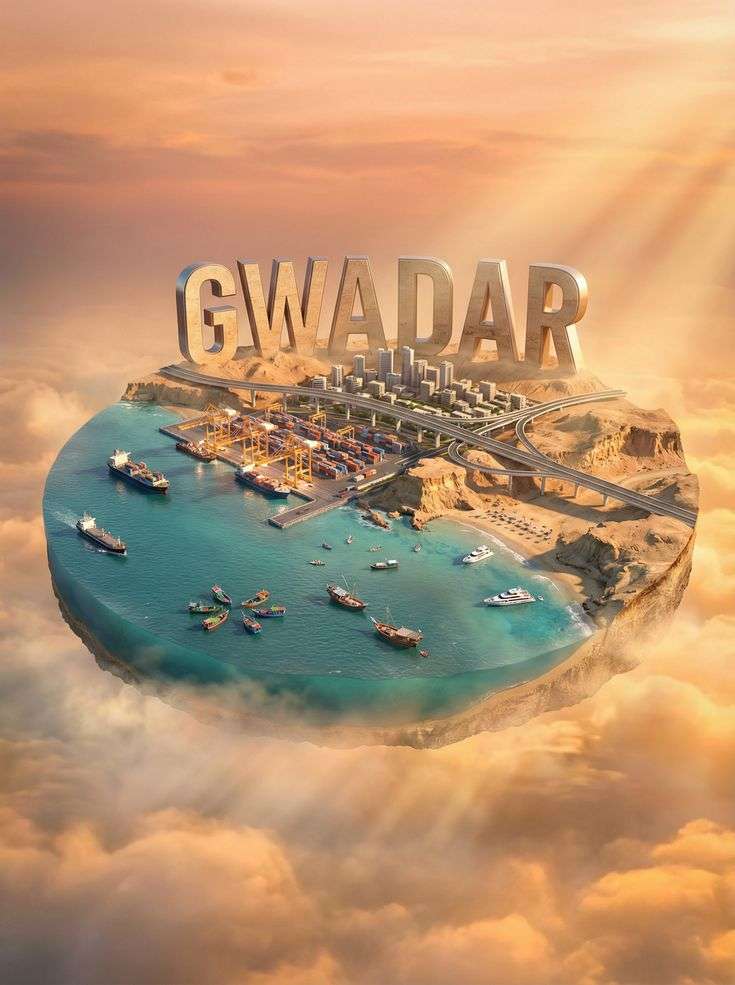
Gwadar has gradually moved from being a relatively quiet coastal city to becoming one of Pakistan’s most discussed locations for infrastructure, logistics, trade and real estate investment. At the heart of this transformation is the China-Pakistan Economic Corridor (CPEC), a major economic and connectivity initiative linking Pakistan with China while supporting infrastructure and economic development across multiple regions. For property investors, the important question is not simply whether CPEC is bringing investment to Gwadar. The bigger question is how improvements in connectivity, transportation, utilities, commercial activity and urban planning could influence the city’s long-term property market. That is where projects such as Canadian City Gwadar enter the conversation.
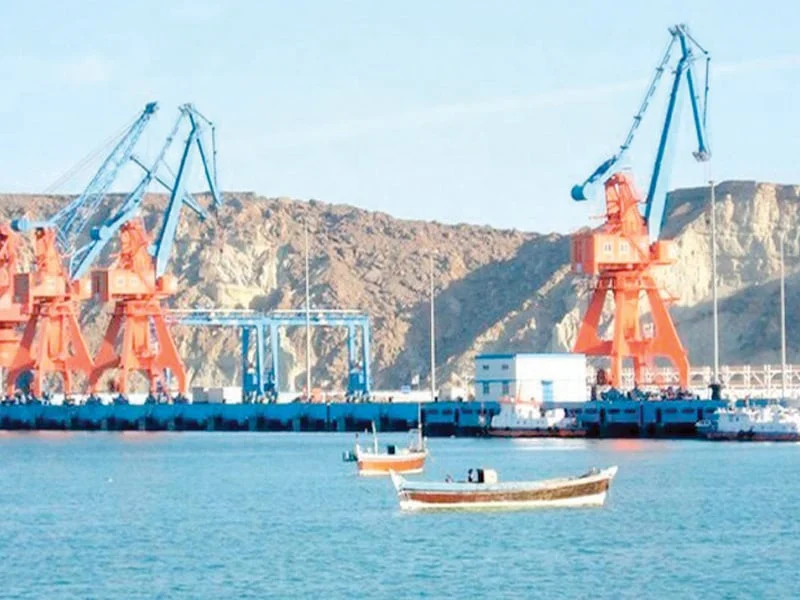
Official CPEC information currently lists several major Gwadar projects as completed, including the development of the port and Free Zone, the Gwadar Smart Port City Master Plan, the Eastbay Expressway, the Pak-China Friendship Hospital, a 1.2 MGD desalination plant and the New Gwadar International Airport. Other water-related projects remain under construction, while additional port and energy projects remain in the pipeline. This creates an investment story based on infrastructure development rather than speculation alone. Canadian City Gwadar’s own website states that the project covers 346 acres, offers residential and commercial plots, and describes itself as GDA approved and part of the “A” category of Gwadar Master Plan Phase 1.
The connection between CPEC and property is relatively straightforward. When roads become better, airports become operational, ports expand, industrial areas develop and businesses establish themselves, the demand for places to live, work, trade and operate businesses can change. Real estate does not grow in isolation; it follows economic activity much like a shadow follows an object. For an investor considering Gwadar, therefore, understanding CPEC is an essential part of understanding the city’s potential property market.
Understanding CPEC Investment in Gwadar
CPEC has given Gwadar a strategic role in Pakistan’s broader economic and infrastructure planning. The official CPEC project portfolio identifies Gwadar as a location for port development, Free Zone development, transportation infrastructure, water projects, aviation infrastructure and urban planning. The purpose of these investments extends beyond building individual projects. Together, they are intended to strengthen connectivity and create the physical foundations required for trade, business and urban growth.
For a property investor, this distinction matters. A new road by itself may have limited economic impact, but a road connecting a port to highways, combined with an industrial zone, airport, commercial activity and supporting utilities, can create a much broader development ecosystem. That ecosystem is what makes Gwadar interesting from a long-term investment perspective.
At the same time, investors should avoid treating every CPEC announcement as an immediate guarantee of property appreciation. Infrastructure development can take years, project timelines can change, and property markets move through cycles. The sensible approach is to evaluate actual infrastructure, legal status, location, accessibility, development progress and demand rather than purchasing solely because a project is associated with CPEC.
Why Gwadar Matters to CPEC
Gwadar’s importance comes largely from its location on the Arabian Sea and its connection with the broader CPEC network. The official CPEC material identifies Gwadar Port, its Free Zone, road connectivity, the airport and city development as important components of the Gwadar development framework. The CPEC long-term planning material also emphasizes the development of Gwadar city and port, transportation systems, the Free Zone and implementation of the city’s master plan.
The city’s strategic position creates opportunities for several types of economic activity. These can include logistics, warehousing, transportation, services, commercial businesses, hospitality and supporting residential development. As economic activity expands, workers, entrepreneurs, service providers and families need places to live and businesses need places to operate.
This is why the phrase CPEC investment in Gwadar has become closely connected with property investment. Investors are looking beyond today’s city and considering what the city could become as infrastructure and economic activity develop. Canadian City Gwadar is positioned within this wider story by offering both residential and commercial plots for people who want exposure to Gwadar’s property market.
Major CPEC Projects Transforming Gwadar
The strongest argument for considering Gwadar is the tangible infrastructure already delivered or under development. Official CPEC sources currently list the Eastbay Expressway, New Gwadar International Airport, port and Free Zone development, Smart Port City Master Plan and several social and utility projects among Gwadar’s CPEC portfolio.
These projects matter because real estate value is strongly influenced by accessibility and economic activity. A plot located in a city with poor transportation and limited economic activity may remain difficult to monetize. In contrast, improved connectivity can gradually change how businesses and residents perceive a location.
Gwadar Port and Free Zone
Gwadar Port is one of the central pieces of the city’s economic development strategy. The official CPEC project information describes the Gwadar Free Zone as covering 2,281 acres, with infrastructure including access roads, internal roads, utilities, customs facilities, security, warehouses and offices. The same official source reports that the first 60-acre phase was completed and that enterprises have registered for investment in the Free Zone.
This matters for real estate because commercial ecosystems need supporting services. Employees need housing. Businesses require offices, shops, warehouses and logistics services. Visitors require accommodation and food services. Transport companies need operational bases. As an economic zone becomes more active, surrounding areas can benefit from increased movement of people and capital.
For an investor, however, proximity should be considered carefully. “Near Gwadar Port” alone does not automatically mean a property is a good investment. The investor should examine actual road access, approved land use, development status, legal documentation, utilities and the property’s intended purpose.
Eastbay Expressway and Regional Connectivity
Transportation infrastructure is one of the most important factors in Gwadar’s development story. According to the official CPEC project page, the Gwadar Eastbay Expressway was designed to provide primary connectivity between Gwadar Port and the national highway network, supporting the movement of import, export and transit goods. The project is described as a 19-kilometre expressway connecting the port and Free Zone toward the Mekran Coastal Highway. The official record states that it was completed and inaugurated on June 3, 2022.
Why does a road matter to property investors? Think of infrastructure as the circulatory system of a city. Businesses require movement, people require access and commercial activity requires transportation. When connectivity improves, locations that previously felt distant can become more practical for development.
The wider CPEC network also includes the Gwadar-Turbat-Hoshab road corridor and other western-route projects. The official CPEC Western Route page lists the Gwadar-Turbat-Hoshab M-8 section at 193 kilometres, alongside other major western-route road projects.
New Gwadar International Airport
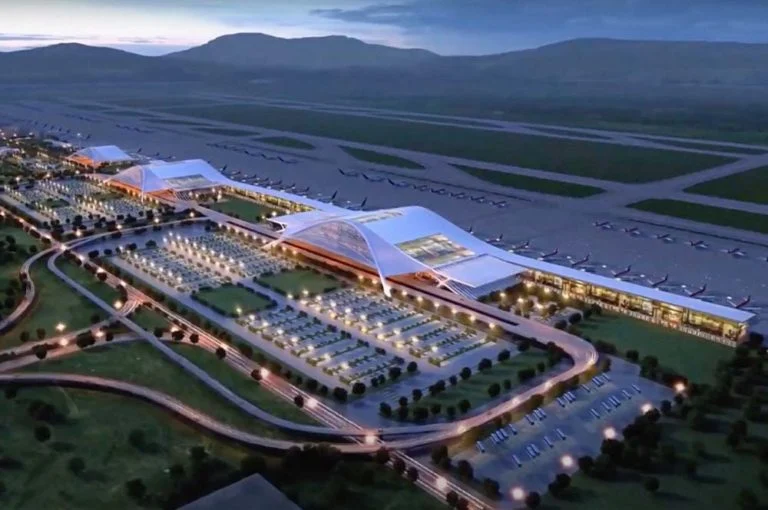
Air connectivity adds another layer to Gwadar’s development. The New Gwadar International Airport is located at Gurandani, approximately 26 kilometres east of Gwadar City. According to the official CPEC project page, construction began in October 2019 and the airport was completed and inaugurated on October 14, 2024.
An operational international airport can be significant for a city that aims to attract business, tourism, investment and trade. Airports reduce the friction associated with travel, allowing companies, investors and visitors to access a destination more efficiently.
For property investors, airport connectivity can also influence how developers think about future commercial and residential locations. Yet the strongest opportunities are usually created when airport access works together with roads, port infrastructure, utilities, employment centers and urban planning. Gwadar’s development therefore needs to be viewed as an interconnected system rather than a collection of unrelated projects.
How CPEC Can Influence Gwadar Property Investment
The relationship between infrastructure investment and real estate is not complicated, but it is often misunderstood. Property values can respond to improved accessibility, employment, business formation, population growth and better public services. CPEC’s Gwadar projects are designed across several of these categories, creating the possibility of a broader development effect over time.
The official Smart Port City Master Plan specifically aims to provide a strategic development framework for Gwadar, integrate the city’s planning with the port, encourage sustainable development and support economic growth. CPEC This type of planning is important because uncontrolled real estate growth can create fragmented development, while coordinated urban planning can make infrastructure and commercial activity more effective.
Infrastructure and Real Estate Demand
Imagine two plots that are identical in size. One is located in an area with poor roads, limited utilities and little nearby economic activity. The other has reliable access to major roads, commercial areas and important city infrastructure. Even though the plots have the same dimensions, their investment potential may be very different.
That is why CPEC-related infrastructure is relevant to Gwadar property investment. Better connectivity can make areas more accessible to residents and businesses. Economic development can create demand for commercial premises and housing. Improvements in utilities can make previously underdeveloped areas more practical for construction.
Canadian City Gwadar markets its residential and commercial plots within this broader growth environment. Its official website states that the project is spread over 346 acres and offers both residential and commercial plots.
Still, investors should separate potential from guaranteed returns. No infrastructure project can guarantee that a particular plot will increase in value by a particular percentage. Property investment always involves market, legal, development and liquidity risks.
Why Investors Are Looking at Canadian City Gwadar
Canadian City Gwadar is positioned as a residential and commercial development within Gwadar’s expanding property market. According to the project’s official website, the development covers 346 acres and is presented as GDA approved, with the project stating that it is included in the “A” category of Gwadar Master Plan Phase 1.
For investors, approval and documentation are among the first issues to examine before considering price or future appreciation. A property investment should begin with verification rather than marketing claims. Investors should independently confirm the relevant approval, plot status, ownership documents, transfer procedures, development commitments and applicable terms before making a purchase.
Location, Approval and Project Scale
Location is one of the oldest principles of property investment, and it remains relevant in Gwadar. Canadian City Gwadar’s website describes the project as being located on Main Mand Avenue and highlights its proximity to the deep-sea port.
The project’s stated 346-acre scale is also relevant because larger developments can potentially support a wider mix of residential and commercial activity. A community is more than individual plots; it needs roads, public spaces, utilities, commercial areas and services to become a functional neighborhood.
For an investor, the key is to examine the difference between planned development and completed development. A master plan can provide direction, but actual on-ground progress is what ultimately determines usability. Visiting the site, reviewing development updates and obtaining documentation directly from the relevant authorities can provide a much clearer picture.
Residential and Commercial Investment Options
One advantage of a mixed residential and commercial project is flexibility. A residential plot may appeal to someone thinking about future home construction, while a commercial plot may be more suitable for someone targeting business activity or rental potential.
Canadian City Gwadar’s official website states that it offers both residential and commercial plots and highlights features such as installment options and a 30% down-payment structure. Canadian City Investors should verify the current payment schedule and terms directly with the developer before relying on any advertised figures because pricing and installment plans can change.
The right choice depends on the investor’s objective. Someone planning to build a home may prioritize neighborhood environment, utilities and accessibility. A commercial investor may focus more heavily on road frontage, footfall, nearby businesses and commercial demand. A long-term land investor may prioritize location, legal status and entry price.
Canadian City Gwadar and the Future of CPEC
The future investment case for Canadian City Gwadar is closely connected to Gwadar’s broader economic trajectory. CPEC has already delivered significant infrastructure in the city, while other projects continue to develop. Official CPEC records currently identify additional water infrastructure as under construction and list projects such as breakwaters, dredging and a 300 MW power project within the wider Gwadar project pipeline.
This suggests that Gwadar’s development story is still evolving. Investors who look at the city only through the lens of today’s activity may miss the importance of infrastructure that supports tomorrow’s economic activity. On the other hand, investors who assume every planned project will immediately transform land prices may take unnecessary risks.
The balanced approach is to look for locations where today’s accessibility and documentation are already reasonable while also considering future infrastructure. That creates a bridge between present usability and long-term growth potential.
Accessibility and Urban Development
Urban development works best when different components reinforce each other. Roads bring people and goods. Ports create trade opportunities. Airports improve regional and international access. Industrial and commercial zones create employment. Residential areas provide housing for the population that supports those activities.
Gwadar’s official Smart Port City Master Plan is intended to integrate the city with the port and guide strategic development while supporting socioeconomic growth.
Canadian City Gwadar can therefore be evaluated as part of the larger urban development story rather than as an isolated property project. The important questions are practical: How accessible is the site? What infrastructure exists today? What development is happening around it? What approvals apply? What are the terms of purchase? And what is the realistic holding period?
Factors to Consider Before Investing
CPEC can make Gwadar attractive, but it should not remove basic investment discipline. Real estate is a long-term asset, and buyers need to conduct due diligence before transferring money or signing an agreement.
A good investment decision should consider at least the property’s legal status, developer documentation, approval status, location, development progress, utilities, road access, plot category, transfer process, payment terms and resale conditions. Investors should also understand whether the property is intended for residential, commercial or another approved use.
Due Diligence and Documentation
Before purchasing a plot in Canadian City Gwadar or any other development, ask for the relevant documentation and verify it through appropriate official channels. Do not rely only on advertisements, social media posts, brokers or verbal promises.
Important questions include whether the project and particular plot category are approved, whether the seller has the legal right to sell the property, what charges apply during transfer, whether development charges are included, and what infrastructure is currently available.
A professional property lawyer or qualified real estate adviser can be useful when the investment is substantial. Spending a small amount on proper verification can potentially protect an investor from a much larger financial problem later.
Understanding the Long-Term Investment Horizon
CPEC-related property investment should generally be approached with patience. Infrastructure-led urban transformation rarely happens overnight. A road may be completed before businesses fully utilize it. An airport may open before passenger volumes reach maturity. An economic zone may require years to attract a substantial ecosystem of companies.
This is why investors should avoid buying property with the assumption that prices must rise immediately. A long-term investment strategy should account for holding costs, liquidity, development timelines and personal financial capacity.
The strongest investor is not necessarily the person who predicts the highest future price. It is often the person who understands the asset, accepts the risks and can comfortably hold it while the underlying economic story develops.
CPEC Investment Opportunities Beyond Property
CPEC investment in Gwadar is broader than residential plots. The city’s development can create opportunities in logistics, transportation, hospitality, retail, warehousing, services, construction and other supporting industries.
The Gwadar Free Zone is particularly relevant because its infrastructure is intended to support industrial and commercial activity. Official CPEC information states that the Free Zone includes land allocated for development and that infrastructure such as roads, utilities, customs facilities, warehouses and offices forms part of the development framework.
This creates a multiplier effect. When one business opens, it may need suppliers. Employees need accommodation. Customers need retail and services. Transport companies need logistics support. Construction companies need materials and labor. A growing economic ecosystem can therefore generate demand well beyond the original industrial project.
For property investors, this means the most interesting question may not be “Will CPEC increase land prices?” but rather “What economic activity will CPEC create, and which locations are positioned to serve that activity?”
The Future Outlook for Gwadar
Gwadar’s future depends on the interaction of infrastructure, governance, economic activity, private investment and local development. CPEC provides a major infrastructure framework, but successful urban development requires more than roads and buildings. Businesses must operate, communities must grow, services must improve and investors must have confidence in the regulatory environment.
The current official project portfolio provides evidence of substantial infrastructure development. The Eastbay Expressway has been completed, the New Gwadar International Airport was inaugurated in 2024, the port and Free Zone remain central components of the city’s economic plan, and further water, port and energy projects remain part of the development pipeline.
For Canadian City Gwadar, the opportunity is therefore linked to the broader growth of Gwadar. Its official project information presents the development as a 346-acre residential and commercial community with GDA approval and a stated position within Gwadar Master Plan Phase 1.
The most sensible outlook is optimistic but realistic. Gwadar has significant infrastructure advantages and strategic importance, but property investment still requires careful research. Investors should evaluate Canadian City Gwadar based on verified approvals, actual development, location, pricing, payment terms and their own financial objectives rather than relying on promises of guaranteed appreciation.
FAQs
1. Why is Gwadar important for CPEC investment?
Gwadar is a central location within CPEC because of its port, Free Zone, transportation infrastructure and strategic position on the Arabian Sea. Official CPEC plans include port development, road connectivity, airport infrastructure, urban planning and supporting utilities in Gwadar.
2. Is Canadian City Gwadar suitable for property investment?
Canadian City Gwadar offers residential and commercial plots and states on its official website that it covers 346 acres and has GDA approval. Potential buyers should independently verify the relevant approval, plot documentation, development status, pricing and payment terms before investing.
3. How does CPEC affect property investment in Gwadar?
CPEC can influence property investment indirectly by improving transportation, supporting economic activity and developing infrastructure. The effect on individual property prices is not guaranteed and depends on location, demand, development progress and broader market conditions.
4. What major CPEC projects have been completed in Gwadar?
The official CPEC Gwadar portfolio lists the development of the port and Free Zone, Gwadar Smart Port City Master Plan, Eastbay Expressway, Pak-China Friendship Hospital, 1.2 MGD desalination plant and New Gwadar International Airport among completed projects.
5. What should investors check before buying a plot in Gwadar?
Investors should verify approval status, ownership documents, plot category, location, development progress, utilities, road access, payment terms, transfer charges and resale conditions. Independent legal and property due diligence is strongly advisable before making a substantial investment.