New Gwadar International Airport – Canadian City Gwadar
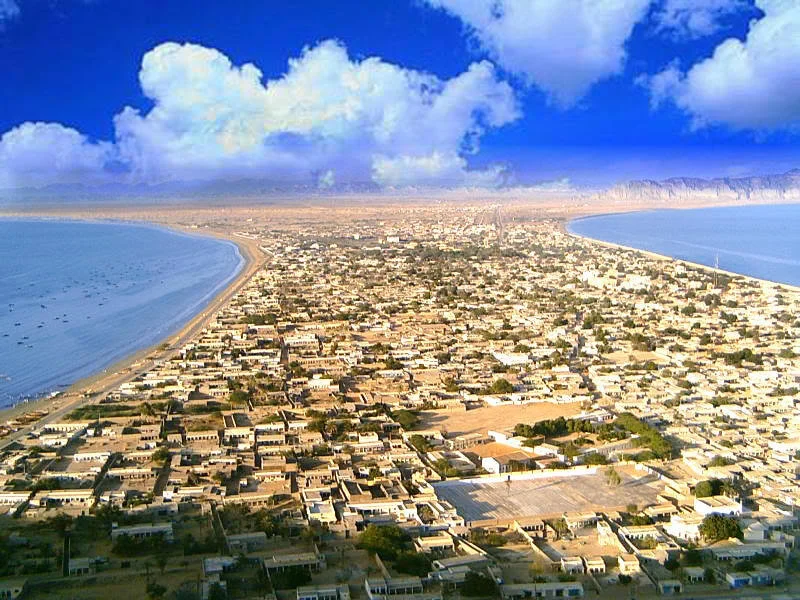
Gwadar is changing in a way that is difficult to understand by looking at a single road, building, port, or housing project. The city’s transformation is better understood as a network of connected developments, and the New Gwadar International Airport is one of the most important pieces of that network. When an airport is linked with a deep-sea port, highways, commercial districts, economic zones, tourism facilities, and residential communities, connectivity can become a major part of the city’s economic story. For people following the property market, this makes the airport more than an aviation project. It becomes part of the wider conversation about accessibility, business activity, employment, tourism, logistics, and urban expansion.
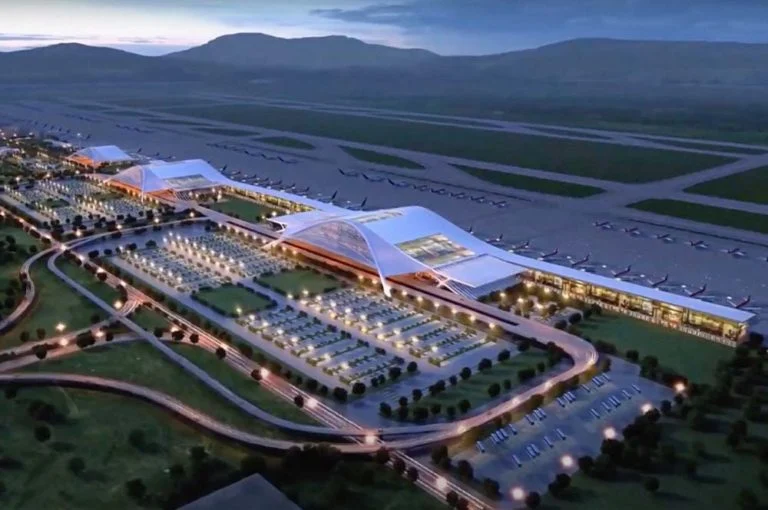
The New Gwadar International Airport was completed and inaugurated on 14 October 2024, according to the official China-Pakistan Economic Corridor project record. The airport is located at Gurandani, approximately 26 kilometres from Gwadar, and was developed as an international-scale aviation facility capable of supporting a combination of domestic and international aircraft. The Gwadar Development Authority currently describes NGIA as Pakistan’s largest airport by land area, occupying around 4,300 acres. These characteristics give the airport a different scale from the city’s former aviation facility and reflect the broader infrastructure ambitions associated with Gwadar.
For Canadian City Gwadar, the airport is relevant because property markets do not operate in isolation. People looking for a residential or commercial location often consider how easily they can reach major roads, business areas, ports, airports, educational institutions, healthcare facilities, and other urban services. Canadian City Gwadar’s website describes the project as a 346-acre development offering residential and commercial plots, with the project stating that it has GDA approval and is listed in the “A” category of Gwadar Master Plan Phase 1. As with any property purchase, buyers should verify current approval documents, ownership records, development status, and other legal details independently before committing funds.
Why the New Gwadar International Airport Matters
An airport can change the way people experience a city. Imagine Gwadar as a door that historically opened mainly through roads and the sea; a modern international airport adds another major entrance. That additional entrance can matter for businesspeople, tourists, residents, investors, logistics companies, government officials, and international visitors. Better aviation infrastructure does not automatically guarantee a particular level of economic growth or property appreciation, but it can improve the physical infrastructure available for future activity. In a city positioned around a major port and regional connectivity projects, that distinction becomes especially important.
The airport also has a symbolic role. Gwadar has been associated with the China-Pakistan Economic Corridor and the development of Gwadar Port for years, but infrastructure becomes meaningful when different systems begin working together. Roads connect people to the city, the port connects maritime trade, commercial areas provide places for businesses to operate, and an airport can connect Gwadar with other cities and international destinations. The CPEC project record identifies NGIA as an infrastructure project designed for both domestic and international routes, making it part of the broader connectivity framework surrounding Gwadar.
A New Gateway for Gwadar
The word “gateway” is often used when discussing airports, but in Gwadar it has a practical meaning. The city is positioned on the Arabian Sea and is being developed as part of a broader regional connectivity vision. The Gwadar Development Authority itself describes the city’s location, port, and CPEC relationship as important components of its future development. The airport adds an aviation dimension to that structure, creating the potential for people and goods to move through Gwadar using multiple transportation channels.
That does not mean every anticipated opportunity will appear immediately. Infrastructure projects usually create a foundation, while actual economic benefits depend on factors such as airline schedules, passenger demand, cargo activity, road access, security, utilities, business investment, tourism, and broader economic conditions. This is an important point for anyone researching New Gwadar International Airport investment opportunities. The airport should be viewed as one part of a larger ecosystem rather than as a guarantee of returns. The real story is how aviation connectivity develops alongside Gwadar’s other infrastructure.
Location and Scale of the New Gwadar International Airport
The location of an airport can be just as important as the terminal building itself. The official CPEC project page identifies the New Gwadar International Airport at Gurandani, approximately 26 kilometres east of Gwadar City. The Gwadar Development Authority provides a similar description while identifying the airport as a large greenfield facility spread across approximately 4,300 acres. This scale demonstrates that the airport was planned not simply as a replacement runway but as a major infrastructure development capable of supporting Gwadar’s longer-term aviation requirements.
For an expanding city, distance should always be considered in the context of transportation infrastructure. An airport outside the dense urban core can provide room for large-scale aviation facilities while leaving the central city available for commercial, residential, tourism, and civic functions. What matters next is the quality of the road network connecting the airport with different parts of Gwadar. As these connections improve, the effective accessibility of areas around the city can also change.
Gurandani and Connectivity With Gwadar
Gurandani’s relationship with Gwadar is particularly relevant because the airport’s location creates a new node in the city’s transportation map. A traveller arriving at NGIA needs roads, taxis, buses, private vehicles, hotels, commercial services, and clear routes to reach the city. A business shipment arriving by air needs logistics support and road connections to reach its final destination. In other words, an airport does not work alone; it depends on the network surrounding it.
For property developers and buyers, this network effect is worth watching. Locations that connect efficiently with important transportation corridors can become more practical for residents and businesses. That does not automatically make one project more valuable than another, but accessibility remains a sensible factor when comparing property locations. Canadian City Gwadar’s project information identifies its location on Main Mand Avenue and presents its residential and commercial options within the broader development framework of Gwadar.
Construction and Completion of NGIA
The New Gwadar International Airport has a long development history. According to the official CPEC project record, groundbreaking took place on 29 March 2019, construction began on 31 October 2019, and the project was completed and inaugurated on 14 October 2024. The project was designed to accommodate a mixture of aircraft types and domestic as well as international routes. The official project record also identifies Chinese government grant financing and the Aviation Division as the implementing agency.
The completion of a major airport is significant because construction is only one stage of creating an operating aviation system. After physical completion, airports require airlines, schedules, regulatory systems, security, ground handling, passenger services, cargo processes, and supporting transportation. That transition from infrastructure to actual operations is particularly important when assessing Gwadar’s future connectivity. The experience of NGIA since its inauguration shows why investors and observers should distinguish between a completed infrastructure project and the gradual development of its commercial aviation network.
Airport Facilities and Designed Capacity
A modern international airport is essentially a small transportation ecosystem. It requires passenger terminals, aircraft movement areas, security systems, baggage handling, parking, road access, cargo infrastructure, and operational support. The CPEC project description states that NGIA was designed to handle aircraft including ATR 72, Airbus A300, Boeing 737, and Boeing 747, with both domestic and international routes in mind. That aircraft mix indicates the intended role of the airport as a substantial aviation facility rather than a small regional airstrip.
Passenger and Cargo Potential
Cargo is particularly relevant when discussing Gwadar because the city’s wider development story is closely connected with the port and trade. Air cargo and maritime cargo serve different purposes, but together they can support a broader logistics ecosystem. High-value, time-sensitive, or specialized goods may use air transportation, while heavier bulk cargo is generally better suited to maritime or road transport. The presence of both aviation and maritime infrastructure can therefore give businesses more options for moving people and products.
The potential is not the same thing as current volume. A responsible assessment should separate the airport’s designed capabilities from actual passenger and cargo demand. Airline schedules, commercial activity, tourism numbers, logistics contracts, and regional economic growth will influence how extensively those facilities are used. For Gwadar, the development of cargo and passenger services will therefore be an important indicator to monitor over time.
NGIA and CPEC Development
The New Gwadar International Airport is part of the wider CPEC development framework. The official CPEC website lists NGIA among Gwadar’s completed projects alongside developments such as the Gwadar Port and Free Zone, Gwadar Smart Port City Master Plan, Pak-China Technical and Vocational Institute, Eastbay Expressway, Pak-China Friendship Hospital, and desalination infrastructure. This illustrates that Gwadar’s transformation involves multiple infrastructure categories rather than one isolated project.
CPEC’s official description includes infrastructure, energy, industrial cooperation, agriculture, technology, social development, and connectivity. In Gwadar, these areas intersect with the city’s port and urban development ambitions. The airport contributes specifically to aerial connectivity, while roads and maritime infrastructure address other parts of the transportation network. Together, these projects create a framework within which businesses and communities may develop.
How the Airport Can Improve Gwadar Connectivity
Connectivity is one of the easiest ways to understand the practical value of NGIA. A traveller from Karachi, Islamabad, Lahore, or another city may consider the time and convenience required to reach Gwadar. A business may consider how quickly its employees can travel. A hotel operator may think about tourist access. A property owner may consider how convenient the location is for family members and visitors.
Recent developments show that aviation connectivity is still evolving. In May 2026, South Air conducted a trial flight from Karachi to the New Gwadar International Airport. Later reporting in July 2026 said the airline planned to expand its operations to additional destinations, including Gwadar. These developments illustrate an important point: airport infrastructure can exist for years, but its practical economic impact depends heavily on the growth of regular commercial services.
The Airport’s Role in Trade and Logistics
Gwadar’s geographical position gives logistics a central place in its development narrative. The city sits on the Arabian Sea and includes a deep-sea port, while the CPEC framework emphasizes regional connectivity. The airport adds another transportation channel, which could be useful for businesses requiring faster movement of people, documents, specialized goods, technical staff, or high-value cargo.
The strongest logistics systems are rarely built around one mode of transportation. Instead, they connect road, sea, air, and sometimes rail infrastructure. Gwadar’s long-term development plans have repeatedly emphasized this broader connectivity model. The New Gwadar International Airport therefore has significance not because every product will move by air, but because aviation can complement the city’s maritime and road-based transportation systems.
Tourism and Business Opportunities in Gwadar
Tourism can benefit from improved accessibility because travellers often consider convenience when selecting destinations. Gwadar has a distinctive coastal landscape, beaches, marine scenery, nearby natural attractions, and a growing collection of infrastructure projects. An airport capable of supporting regular domestic and international flights can make the city easier to reach for visitors who might otherwise face a longer road journey.
Business activity can also benefit from accessibility. Meetings, site visits, project inspections, conferences, property tours, and commercial negotiations become easier when travel connections improve. The effect is cumulative: a visitor arrives more easily, stays in a hotel, uses local transportation, eats at restaurants, visits commercial areas, and potentially returns for another business or leisure trip. No single airport can create that entire ecosystem, but it can remove one of the barriers to participation.
New Gwadar International Airport and Property Development
Infrastructure and real estate are closely connected because people need places to live and businesses need places to operate. When a city’s transportation network expands, developers often pay attention to locations that can serve residents, employees, visitors, and businesses. The airport therefore becomes one factor among many that can influence how people assess property locations in Gwadar.
This does not mean that every plot near an airport will automatically appreciate. Property performance depends on many variables, including legal status, land title, development progress, infrastructure, demand, financing conditions, market cycles, location, utilities, and the actual pace of economic activity. A sensible property analysis should therefore treat NGIA as an infrastructure factor rather than a promise of a particular financial outcome.
Why Connectivity Matters for Real Estate
Imagine two communities with similar plot sizes and similar basic facilities. If one has easier access to important roads, commercial areas, the airport, and other urban destinations, that accessibility may influence how residents and businesses perceive the location. People generally value time, convenience, and mobility, particularly when a city becomes more economically active.
This is one reason Canadian City Gwadar highlights its position within the broader Gwadar development landscape. The project’s website states that it covers 346 acres and offers residential and commercial plots, while describing its location on Main Mand Avenue. Buyers should still compare the actual distance, route quality, current development, legal documentation, utilities, and surrounding land uses before reaching their own conclusions about any particular plot.
Canadian City Gwadar at a Glance
Canadian City Gwadar presents itself as a residential and commercial development in Gwadar. Its current website states that the project spans 346 acres, has a GDA-approved NOC, and is listed in the “A” category of Gwadar Master Plan Phase 1. The project also promotes residential and commercial plots and describes its objective as providing an international-standard housing environment. These statements come from the developer’s own published material and should be checked against current official records when conducting due diligence.
For someone researching New Gwadar International Airport and Canadian City Gwadar, the connection is therefore primarily about the wider urban ecosystem. Canadian City is a property development, while NGIA is transportation infrastructure. They serve different purposes, but both form part of the larger story of Gwadar’s physical development. The airport can improve the city’s accessibility, while properly planned residential and commercial developments can provide places for people and businesses to establish themselves.
Canadian City Gwadar and Gwadar’s Changing Infrastructure
Gwadar’s infrastructure story includes more than the airport. The official CPEC portfolio lists the port and free zone, Eastbay Expressway, hospital, technical institute, desalination infrastructure, and other projects. The Gwadar Smart Port City Master Plan is intended to provide a strategic framework for city development and integrate Gwadar’s urban planning with the port’s development.
This broader perspective matters for property research. A city becomes more functional when its different systems develop together. Roads without businesses have limited economic value; commercial districts without transportation connections can struggle; housing without utilities and services cannot provide a complete urban environment. The interaction between infrastructure projects is therefore more important than any single headline about one development.
Residential and Commercial Property Opportunities
A growing city needs different types of property. Families may seek residential plots for future homes, while businesses may look for commercial locations for offices, retail outlets, restaurants, hotels, or service businesses. Canadian City Gwadar’s project information says it offers both residential and commercial plots, reflecting this two-sided demand.
The airport may be relevant to both categories, but in different ways. Residential buyers may care about access to transportation, employment, education, healthcare, and family travel. Commercial buyers may focus more heavily on customer access, workforce mobility, tourism, logistics, and business visibility. The actual relevance of NGIA will depend on how the airport’s routes and passenger volumes develop over time.
Location, Accessibility, and Future Urban Growth
Urban development tends to follow networks. Roads create corridors, commercial activity grows around accessible locations, and residential areas expand where people can reach jobs and services. Airports can influence these patterns by creating a major transportation node, although the effect varies greatly from city to city.
For Gwadar, the airport’s location in Gurandani creates an additional development point outside the traditional urban core. As supporting roads and services improve, the airport’s relationship with other parts of the city can become increasingly important. Property buyers should therefore look beyond a simple “near airport” label and study the actual road network, travel times, zoning, surrounding development, and future planning documents.
What Investors Should Check Before Buying
A modern airport can make a property story sound exciting, but careful due diligence should remain the foundation of any real estate decision. Before buying a plot in Gwadar, prospective buyers should verify the project’s approval status directly with the relevant authority, examine the title and ownership documentation, confirm the exact plot location, understand development charges and payment obligations, and review the developer’s current development status.
It is also useful to distinguish between marketing language and independently verifiable facts. Canadian City Gwadar’s website publishes claims about its GDA approval, land area, master-plan category, and facilities, but buyers should obtain and verify the underlying documents rather than relying solely on promotional material. The same principle applies to claims about future roads, commercial activity, airport routes, or expected property appreciation.
The Relationship Between Airport, Port, and Economic Activity
Gwadar’s unique feature is the combination of air and maritime infrastructure. The port provides access to sea-based trade, while the airport creates an aviation connection. Roads then connect these facilities with businesses, communities, and regional markets. If these systems become increasingly integrated, Gwadar could have a more diverse transportation network than a city dependent on only one mode.
The CPEC framework explicitly focuses on regional connectivity and includes Gwadar’s port and city development among its areas of activity. The official CPEC project portfolio also records the completion of NGIA alongside several other Gwadar projects.
Future Potential of Gwadar’s Aviation Connectivity
The word “potential” deserves careful treatment. Potential describes what could develop under suitable conditions; it does not describe guaranteed results. For NGIA, future aviation activity will depend on passenger demand, airline economics, route viability, tourism, business activity, regional conditions, security, cargo demand, and government and aviation policies.
The 2026 South Air trial flight from Karachi to Gwadar provides a recent example of airlines exploring expanded connectivity. The later announcement concerning potential additional services suggests that the network remains dynamic. For people tracking Gwadar’s development, airline schedules and actual flight frequency are therefore useful indicators to monitor alongside infrastructure announcements.
New Gwadar International Airport in 2026
By 2026, the New Gwadar International Airport is no longer simply a proposed infrastructure project. Official CPEC records state that it was completed and inaugurated in October 2024, while recent reporting shows continuing efforts to expand aviation connectivity. That distinction is important because the conversation has moved from construction toward utilization, operations, routes, passenger demand, and integration with Gwadar’s wider economy.
For Canadian City Gwadar and other property developments, the airport represents one component of a much larger urban transformation. The project’s 346-acre development footprint, its stated GDA approval and master-plan category, and its residential and commercial offerings position it within the broader property conversation around Gwadar. Yet a property decision should always be based on verified documentation and the buyer’s own financial circumstances rather than on airport-related expectations alone.
Frequently Asked Questions
1. Where is the New Gwadar International Airport located?
The New Gwadar International Airport is located in Gurandani, approximately 26 kilometres from Gwadar City, according to the official CPEC project record. The Gwadar Development Authority also identifies the airport as being located near Gwadar on the southwestern Arabian Sea coast of Balochistan.
2. When was the New Gwadar International Airport inaugurated?
The official CPEC project page records that construction began in October 2019 and that the New Gwadar International Airport was completed and inaugurated on 14 October 2024.
3. How is the airport connected to Gwadar’s development?
The airport forms part of Gwadar’s wider infrastructure network. CPEC’s official project portfolio lists NGIA alongside the port and free zone, Eastbay Expressway, Smart Port City Master Plan, hospital, technical institute, and other projects. This places the airport within a broader regional connectivity and urban development framework.
4. What is Canadian City Gwadar?
Canadian City Gwadar is a residential and commercial property development that states on its website that it covers 346 acres, has GDA-approved NOC status, and is listed in the “A” category of Gwadar Master Plan Phase 1. Prospective buyers should independently verify current approvals, title documents, development status, and other relevant records before purchasing.
5. Does the New Gwadar International Airport guarantee property price increases?
No infrastructure project can guarantee a particular property return. Airport connectivity can be one factor in the development and accessibility of a city, but property prices are influenced by many variables, including legal status, infrastructure, demand, economic conditions, development progress, location, utilities, financing, and broader market conditions. Buyers should evaluate these factors independently rather than treating airport development as a guaranteed investment outcome.