Top Society for Investment in Gwadar – Canadian City Gwadar
Introduction to Gwadar’s Real Estate Investment Potential
Gwadar is becoming an increasingly discussed destination in Pakistan’s real estate market. Located along the Arabian Sea in Balochistan, this coastal city has strategic importance because of its deep-sea port, geographical position, and connection with regional trade routes. Over the years, Gwadar has attracted attention from property investors, business owners, overseas Pakistanis, and people looking for opportunities in emerging cities. As infrastructure projects develop and economic activity gradually expands, interest in residential and commercial property has also increased. For investors who want to explore opportunities beyond established metropolitan markets, Gwadar offers an interesting possibility, although every investment requires careful research and realistic expectations.
When discussing the top society for investment in Gwadar, Canadian City Gwadar deserves consideration because of its advertised residential and commercial plot options, planned development, and stated regulatory credentials. The project promotes itself as a housing society designed to provide opportunities for people interested in property ownership and future development in Gwadar. Its official website describes a project covering approximately 346 acres and advertises GDA approval and an A-category designation under Phase 1 of the Gwadar Master Plan. Investors should independently confirm the current NOC status, approved layout, and plot documentation with the relevant authority before making a purchase. This article explores Gwadar’s investment potential, the features promoted by Canadian City Gwadar, and the practical considerations that can help buyers make informed decisions.
Why Gwadar Is Attracting Property Investors
Gwadar’s geographical position is one of its most important advantages. The city is situated near major international maritime routes and has the potential to support commercial activities connected with shipping, logistics, transportation, fisheries, tourism, and other industries. Unlike mature property markets where land prices may already reflect decades of development, emerging cities can offer different opportunities for investors willing to research their markets carefully. Gwadar’s development story has attracted attention because of government infrastructure initiatives and the China-Pakistan Economic Corridor (CPEC). However, investors should understand that strategic importance does not automatically translate into immediate property appreciation. Economic activity, employment, public facilities, utilities, and actual demand must grow together to create a sustainable property market.
Another reason investors follow Gwadar is the possibility of long-term urban expansion. As a developing port city, Gwadar may require additional residential areas, commercial facilities, accommodation, educational institutions, healthcare services, and supporting infrastructure. These requirements can create opportunities for well-planned housing projects in suitable locations. For someone considering property ownership, the important question is not simply whether Gwadar will develop, but whether a particular project is positioned to benefit from that development. This is why buyers should examine accessibility, legal documentation, infrastructure progress, possession arrangements, and the developer’s track record before investing. Canadian City Gwadar is one project that investors can evaluate within this wider development landscape.
Gwadar Port and CPEC Development
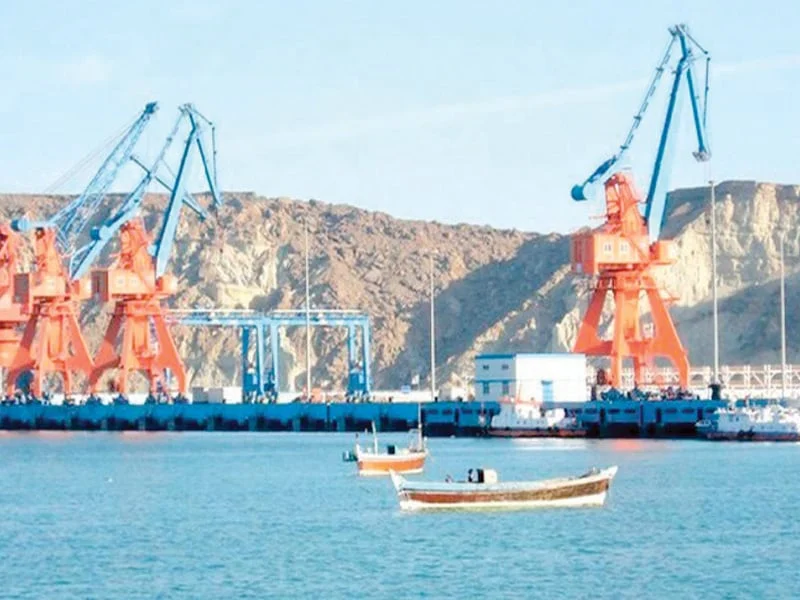
The development of Gwadar Port is a major part of the city’s economic vision. The port is intended to support maritime trade, cargo transportation, logistics, and regional connectivity. Through CPEC, Gwadar has also become part of a broader economic and infrastructure development programme connecting Pakistan with regional and international markets. The official CPEC project information identifies port and free-zone development, the Gwadar Smart Port City Master Plan, the Eastbay Expressway, and other infrastructure initiatives among the city’s completed projects. These developments demonstrate that Gwadar’s transformation is supported by identifiable public infrastructure projects rather than property marketing alone.
The port’s importance can influence demand for supporting businesses and services over time. Transportation companies, warehouses, hotels, restaurants, suppliers, and other commercial operators may require suitable locations as economic activity increases. Residential demand can also develop when more workers, professionals, entrepreneurs, and families establish long-term connections with the city. However, the pace of this growth depends on port operations, investment, employment opportunities, and the availability of reliable services. Property investors should therefore treat CPEC as a potential long-term economic driver rather than a guarantee of immediate profits. A carefully selected property in a legally verified and appropriately located housing project may offer an opportunity to participate in Gwadar’s future growth.
Infrastructure and Economic Growth
Infrastructure is one of the strongest indicators of a city’s ability to support sustainable real estate demand. Roads, airports, electricity, water supply, hospitals, educational institutions, and communication networks make an area more practical for residents and businesses. Gwadar has seen several major infrastructure initiatives, including the Eastbay Expressway, New Gwadar International Airport, and desalination-related projects. The Trade Development Authority of Pakistan also identifies the port expansion, Free Zone development, and water-related projects among Gwadar’s development initiatives.
These projects matter because a city cannot become a successful residential and commercial destination through land development alone. People need reasons to live, work, shop, and establish businesses there. Better transportation can improve accessibility, while healthcare and education facilities can make the city more attractive to families. Water and electricity availability are especially important in coastal and developing urban environments. For investors considering Canadian City Gwadar, the practical step is to examine how the society connects with existing infrastructure and whether essential services are available or planned. A location’s long-term potential becomes more meaningful when supported by actual development and everyday usability.
What Makes a Housing Society Suitable for Investment?
Choosing a housing society is one of the most important decisions in property investment. A project may have attractive advertisements, impressive maps, and competitive prices, but these features alone cannot establish its investment quality. Buyers should begin by checking legal approval and confirming whether the specific project and its approved layout are recognised by the relevant development authority. The next step is to examine land ownership, the NOC, approved land use, plot categories, transfer procedures, and any restrictions affecting the property. These checks help buyers avoid misunderstandings and reduce the risk of purchasing land that cannot legally be developed or transferred as expected.
Location is another important consideration. A housing society should have practical access to major roads, commercial areas, public facilities, and the wider city. Investors should also evaluate the quality of internal roads, drainage, electricity arrangements, water supply, street planning, and other infrastructure. A society with a clear development programme and transparent documentation can be easier to evaluate than a project relying primarily on future promises. The developer’s reputation also deserves attention because construction quality, customer service, possession arrangements, and project delivery depend heavily on management. Canadian City Gwadar should be assessed using these same criteria rather than being selected solely because it is marketed as a leading investment destination.
Canadian City Gwadar – An Introduction
Canadian City Gwadar is a residential and commercial real estate project in Gwadar, Balochistan. According to its official website, the project covers approximately 346 acres and offers different plot categories for people interested in residential ownership and commercial investment. The developer presents the society as a planned community designed around the future growth of Gwadar. Its marketing highlights its GDA approval and A-category classification under Phase 1 of the Gwadar Master Plan. These are important claims for potential buyers to investigate through official documentation before committing funds.
The project aims to appeal to different categories of buyers. Some people may be interested in purchasing a residential plot for a future home, while others may consider commercial property for a potential business venture. Overseas Pakistanis may also explore the project as part of a broader property portfolio in Pakistan. Each buyer, however, has different financial objectives and risk tolerance. Someone planning to build a house may prioritise possession, utilities, and neighbourhood facilities, whereas a commercial investor may focus on road access, visibility, surrounding businesses, and customer movement. Understanding these differences is essential when evaluating Canadian City Gwadar as an investment option.
Location, Land Area, and Project Overview
Location plays a major role in determining the practical value of real estate. A housing society’s position in relation to the city’s roads, port-related areas, commercial districts, and public facilities can influence its attractiveness to residents and businesses. Canadian City Gwadar’s official website provides project maps and planning information that potential buyers can examine to understand the layout and available development information. The website advertises a total area of approximately 346 acres, making it important for buyers to review the approved land-use plan and confirm the exact boundaries and plot details.
Before purchasing, investors should obtain the latest location map, approved master plan, plot number, dimensions, and ownership documents. They should also visit the project site whenever possible instead of depending entirely on online maps or promotional videos. A physical visit can help buyers understand road access, surrounding development, site conditions, and the distance from important locations. If a buyer cannot visit personally, an authorised representative or independent property professional can help conduct an inspection. These practical steps make it easier to distinguish between a project’s advertised potential and its current condition.
GDA Approval and Planning Considerations
Legal verification should always come before investment enthusiasm. Canadian City Gwadar’s official website advertises GDA approval and identifies the project as belonging to the A category of Gwadar Master Plan Phase 1. However, property buyers should not rely only on a developer’s website or marketing material when checking regulatory status. A third-party database reporting information from Gwadar Development Authority’s NOC verification list identified Canadian City with the status “restored” in its November 19, 2026 update. It also reported NOC reference 26/05/HS/GDA and an original issue date of July 14, 2005. Buyers should obtain the latest original GDA record and written clarification of the word “restored,” including any conditions attached to that status.
This distinction is important because a society-level NOC does not automatically establish that every plot, extension, transfer, or development activity is covered by the same approval. Buyers should verify the exact land parcel, approved layout, plot category, and any relevant restrictions directly with GDA. They should also ask for confirmation that the plot being offered falls within the approved scheme boundaries. Legal checks may take additional time, but they can protect buyers from costly problems later. A responsible investment decision begins with documentary evidence, not assumptions.
Why Canadian City Gwadar Deserves Investors’ Attention
The decision to invest in a housing society should be based on a combination of location, legal standing, development progress, affordability, and future usability. Canadian City Gwadar attracts attention because its official project information highlights residential and commercial opportunities within a planned housing development. For investors exploring Gwadar, this creates an opportunity to compare different plot categories according to their budgets and objectives. A smaller residential plot may suit someone planning to build a home, while a commercial plot may interest a buyer looking for a potential business location. The key is to identify the purpose of the investment before selecting a plot.
Another important consideration is the relationship between property ownership and the city’s wider economic development. Gwadar’s growth may create demand for housing, retail outlets, accommodation, and supporting services as economic activity expands. A housing project that combines residential and commercial planning may appeal to buyers with different property requirements. Canadian City Gwadar promotes this combination through its residential and commercial plot offerings. Nevertheless, buyers should evaluate the actual development status, access roads, utilities, possession terms, and market prices before deciding whether a particular plot represents good value. A well-informed investor does not simply ask which society is popular; they ask whether the property meets their financial and practical requirements.

Residential and Commercial Plot Options
Residential plots are generally purchased by people who want to build a house, secure a long-term property asset, or explore possible future resale opportunities. Canadian City Gwadar’s official project information advertises residential plot options in different sizes, including 5 and 6 Marla, 10 Marla, and 1 and 2 Kanal categories. These options are intended to accommodate different budgets and property requirements. A smaller plot may be suitable for buyers who want a relatively manageable investment, while a larger plot may attract families planning a spacious residence. Before selecting any category, buyers should confirm the currently available inventory, exact dimensions, location, price, payment schedule, and possession conditions directly with the authorised sales office.
Commercial plots serve a different purpose because their potential value is connected with business activity and accessibility. Canadian City Gwadar advertises 2 Marla and 4 Marla commercial options, with possible uses including restaurants, hotels, financial services, retail outlets, fitness facilities, and hospitality-related businesses. These uses represent potential planning opportunities rather than guaranteed future tenants or commercial returns. A commercial property becomes attractive when it has appropriate road frontage, customer accessibility, surrounding population, and demand for business services. Therefore, investors should compare commercial plot locations within the approved plan rather than assuming that every commercial plot has the same investment potential.
Development and Community Planning
A successful housing society needs more than plots marked on a map. It needs a functional environment where people can eventually live, work, and access everyday services. Internal roads, drainage, street lighting, water arrangements, electricity infrastructure, green spaces, and waste management all contribute to the quality of a residential community. These facilities also influence how attractive a project may become to future residents and property buyers. Canadian City Gwadar promotes its development and planning through its official website, where buyers can review the project profile, site plan, and related information. Investors should compare these advertised plans with actual on-ground progress and obtain written details about the completion of essential infrastructure.
Community planning is particularly important in a developing city like Gwadar, where access to basic services can influence property demand. A family purchasing a residential plot may be more interested in practical facilities than promotional promises about future price increases. Similarly, a business owner needs suitable access and infrastructure before establishing a commercial operation. Buyers should ask which facilities are already completed, which are under development, and which remain proposed. They should request realistic timelines and check whether the relevant facilities are included in the approved development plan. This approach helps investors understand the difference between present-day property value and the possibilities associated with future development.
Investment Opportunities in Canadian City Gwadar
Real estate investment can serve different financial purposes, and Canadian City Gwadar offers plot categories that buyers can evaluate according to their individual goals. Some investors prefer residential land because they want to retain it for several years, while others look for commercial plots that may eventually support a business. There are also buyers who purchase property with the intention of constructing a home for personal use. These objectives should not be confused because each requires a different investment strategy. A person seeking a future residence may prioritise neighbourhood facilities and possession, whereas someone considering resale may pay closer attention to market demand, location, transfer costs, and liquidity.
One potential advantage of exploring an emerging property market is the opportunity to enter before an area reaches a more mature stage of development. However, an early investment also carries uncertainty. Infrastructure may take longer than expected, demand may develop slowly, and resale opportunities may be limited. Investors should therefore avoid putting all their available savings into a single property project. They should maintain sufficient emergency funds, compare prices with other verified societies, and consider the time required to recover their investment. Canadian City Gwadar can be included in this evaluation, but the final decision should depend on verified documentation, affordability, and a realistic assessment of market conditions.
Commercial Property and Business Potential
Commercial property can become an important part of a growing city’s real estate market. As residential populations increase and businesses establish operations, demand for shops, offices, restaurants, accommodation, and service facilities may also rise. Gwadar’s port-related economic activities and tourism potential provide reasons to examine its future commercial requirements. Canadian City Gwadar advertises commercial plots designed for a range of possible business uses. These include retail, hospitality, restaurants, cafes, financial services, recreation, and other customer-oriented activities. This variety gives buyers several possible business concepts to consider when studying the project’s commercial planning.
However, commercial property should always be evaluated according to its actual location and business suitability. A shop situated on a major road may have different commercial prospects from a plot located within a less accessible street. Investors should examine road width, visibility, parking arrangements, surrounding residential areas, approved commercial use, and nearby business activity. They should also research whether the expected customer base exists or is likely to develop within a reasonable period. Buying a commercial plot simply because a city has an ambitious economic vision can lead to unrealistic expectations. A successful commercial investment requires both a suitable property and a viable business environment.
Gwadar’s Future Development and Property Demand
Gwadar’s future development is connected with a range of infrastructure, maritime, and urban planning initiatives. The official CPEC project portal lists the development of Gwadar Port and Free Zone, the Smart Port City Master Plan, the New Gwadar International Airport, the Eastbay Expressway, and the Pak-China Friendship Hospital among completed projects. It also identifies water supply and desalination-related work among projects under construction. These initiatives are relevant to real estate because better infrastructure can support business operations, improve connectivity, and make the city more practical for residents.
The city’s development plans also indicate that urban planning remains an ongoing process. In May 2026, Dawn reported that the Gwadar Development Authority had reviewed a proposed programme involving approximately Rs280 billion in projects under the second phase of the Gwadar Master Plan for 2025–35. The report explained that the programme was intended to support Gwadar’s development as a modern, smart, and environmentally conscious port city, with the programme still subject to the relevant approval process. This demonstrates the scale of the city’s development ambitions, but it should not be interpreted as proof that every announced project has been funded, started, or completed.
For property investors, the most important issue is how these developments translate into actual demand. A completed road may improve accessibility, but a sustainable increase in property demand also requires businesses, jobs, services, and population growth. The same principle applies to residential societies. A project may be located in a city with significant long-term potential, but its individual investment performance depends on its legal position, location, infrastructure, and market acceptance. Canadian City Gwadar’s potential should therefore be considered in the context of Gwadar’s wider development rather than through isolated predictions about future property prices.
Important Factors to Check Before Buying a Plot
Before investing in Canadian City Gwadar or any other housing society, buyers should complete a proper verification process. The first step is to confirm the project’s current regulatory status directly with the Gwadar Development Authority. Ask for the latest NOC, its conditions, approved layout, and confirmation that the particular plot is covered by the relevant approval. The second step is to verify land ownership and ensure that the seller or authorised representative has the legal right to offer the property. Buyers should also confirm whether the plot is free from disputes, encumbrances, or other restrictions that could affect ownership and transfer.
Financial transparency is equally important. Obtain a written price quotation and understand the complete payment schedule, including booking charges, instalments, development charges, transfer fees, taxes, and any other applicable expenses. Do not rely exclusively on verbal commitments or unofficial payment instructions. Every payment should be made through the authorised company account against a proper receipt. Investors should also review the sale agreement carefully and understand the cancellation, refund, transfer, and possession clauses. If necessary, consult an independent property lawyer before signing any document.
A physical site visit is another valuable part of the process. Visit the society, examine the roads, observe construction activity, and compare the site with the approved layout. Ask the management for the latest development report and verify whether the plot being offered exists at the stated location. If you are investing remotely, appoint a trusted representative to inspect the property and independently verify documents. These steps can help you avoid common property investment mistakes and make a more confident decision.
Canadian City Gwadar Compared with Other Investment Options
Gwadar offers several property investment opportunities, and buyers should compare different housing societies before selecting a project. Every society has its own location, development status, legal documentation, plot categories, payment plans, and management structure. Some projects may offer lower entry prices, while others may have more visible infrastructure or different commercial opportunities. Canadian City Gwadar promotes itself through its residential and commercial plot options, advertised 346-acre area, and stated GDA regulatory credentials. These features make it a project worth researching, but investors should compare them against independently verified information from other available projects.
The following comparison framework can help buyers make a more informed decision:
| Investment factor | What buyers should evaluate |
| Legal approval | Current GDA NOC and approved layout |
| Location | Access to major roads and city facilities |
| Development | Actual infrastructure completed on-site |
| Plot categories | Residential and commercial options |
| Payment plans | Total price and instalment conditions |
| Possession | Written possession policy and timelines |
| Resale potential | Recent genuine market transactions |
| Management | Developer reputation and customer support |
Canadian City Gwadar’s advertised residential and commercial options may suit buyers looking for flexibility in property selection. Nevertheless, no housing society should automatically be considered the best investment simply because it has a strong marketing presence. Buyers should compare the total acquisition cost, development progress, and legal position of each project. A lower-priced plot is not necessarily a better investment if it has documentation problems or limited resale demand. Likewise, a more expensive property may not justify its price if its location and infrastructure do not support the premium. The best decision is the one supported by evidence, financial planning, and a clear understanding of the risks.
Long-Term Investment Strategy for Gwadar
Long-term property investment requires patience, planning, and realistic financial expectations. Investors interested in Gwadar should first decide how long they can comfortably hold a property without depending on immediate resale. A residential plot purchased for personal use may have a different investment horizon from a commercial plot purchased for a future business. Buyers should also consider the possibility that development and demand may take longer than anticipated. Keeping a long-term perspective can help investors avoid making decisions based on temporary market excitement or unverified claims about rapid price increases.
Diversification is another useful investment principle. Rather than committing all available capital to one plot or one society, buyers can consider maintaining a balanced financial portfolio. Real estate can be one component of that portfolio, alongside savings and other suitable assets. Investors should also calculate the complete cost of ownership, including taxes, transfer charges, development charges, and potential maintenance expenses. If purchasing through instalments, they should make sure that future payments remain affordable even if their income or financial circumstances change. A carefully planned investment is generally more sustainable than a purchase made under pressure.
For people considering Canadian City Gwadar, a sensible approach is to begin with official documentation, compare available plot options, and visit the project before making a commitment. Discuss the investment objective with an independent property adviser and seek legal assistance when reviewing ownership documents. Keep copies of all agreements, payment receipts, allotment documents, and transfer records. Monitor actual development progress instead of relying on occasional promotional updates. This disciplined approach allows buyers to evaluate opportunities while protecting themselves from unnecessary financial risks.
Frequently Asked Questions (FAQs)
1. Which is the top society for investment in Gwadar?
Canadian City Gwadar is one of the housing projects investors can consider when exploring residential and commercial property opportunities in Gwadar. Its official website advertises GDA approval, a 346-acre area, and different plot categories. Buyers should compare its latest legal status, development, location, and prices with other societies before deciding which project best meets their requirements.
2. Is Canadian City Gwadar GDA approved?
Canadian City Gwadar advertises GDA approval on its official website. A November 2026 third-party report referencing the GDA NOC verification list identifies its status as “restored.” Buyers should obtain the latest original NOC and written clarification directly from the Gwadar Development Authority before purchasing a plot.
3. What types of plots are available in Canadian City Gwadar?
According to the project’s official website, Canadian City Gwadar advertises residential plots of 5 and 6 Marla, 10 Marla, 1 Kanal, and 2 Kanal, along with commercial plots of 2 and 4 Marla. Actual availability, prices, and payment terms should be confirmed with the authorised sales office.
4. Why are investors interested in Gwadar real estate?
Investors are interested in Gwadar because of its strategic coastal location, Gwadar Port, CPEC-related infrastructure, transportation projects, and long-term urban development plans. These factors may support future residential and commercial demand, although property appreciation and investment returns are never guaranteed.
5. What should I check before buying a plot in Canadian City Gwadar?
Before purchasing, verify the latest GDA NOC, approved layout, land ownership, plot number, location, payment schedule, development charges, possession terms, and transfer procedures. Visit the project site and consult an independent property lawyer if necessary.