Top Housing Scheme in Gwadar – Canadian City Gwadar
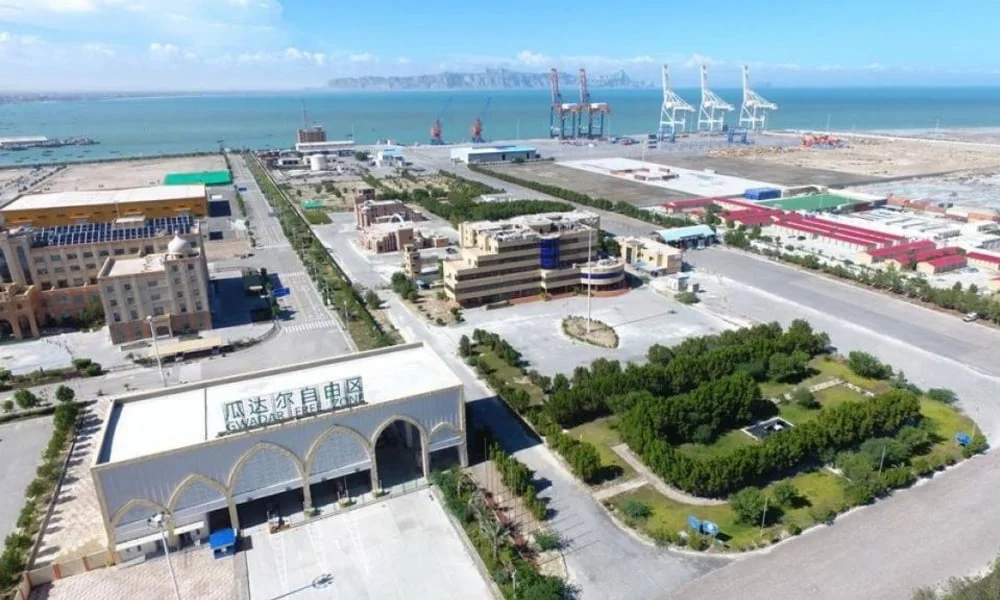
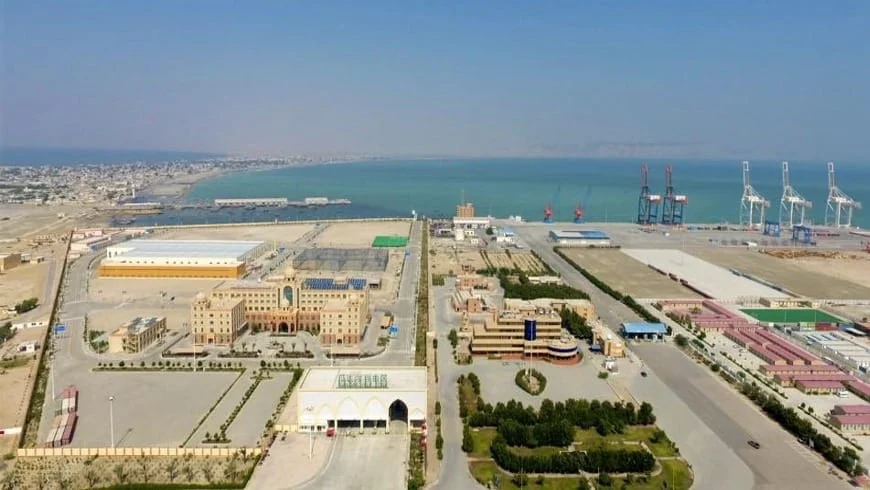
If you are searching for the top housing scheme in Gwadar, Canadian City Gwadar is a project that deserves serious attention in 2026. The development combines a large planned area, residential and commercial property options, a strategic location, and a regulatory record that can be independently checked through the Gwadar Development Authority (GDA). According to the project’s official information, Canadian City Gwadar covers approximately 346 acres, is positioned in the “A” Category of Gwadar Master Plan Phase 1, and offers both residential and commercial plots. The official GDA NOC verification portal currently lists Canadian City as a housing project with NOC number 26/05/HS/GDA, issued on July 14, 2005, with its current status shown as “restored.”
The phrase top housing scheme in Gwadar should not simply be treated as an advertising slogan. Property buyers have different priorities: some want affordable residential plots, some want commercial opportunities, while others are interested in long-term capital growth. A genuinely attractive housing project therefore needs to be assessed through several lenses, including location, documentation, planning, accessibility, plot choices, infrastructure, development potential, and the broader economic direction of the city. Canadian City Gwadar presents a combination of these factors, which explains why it is increasingly being positioned as a leading option for people researching Gwadar real estate.
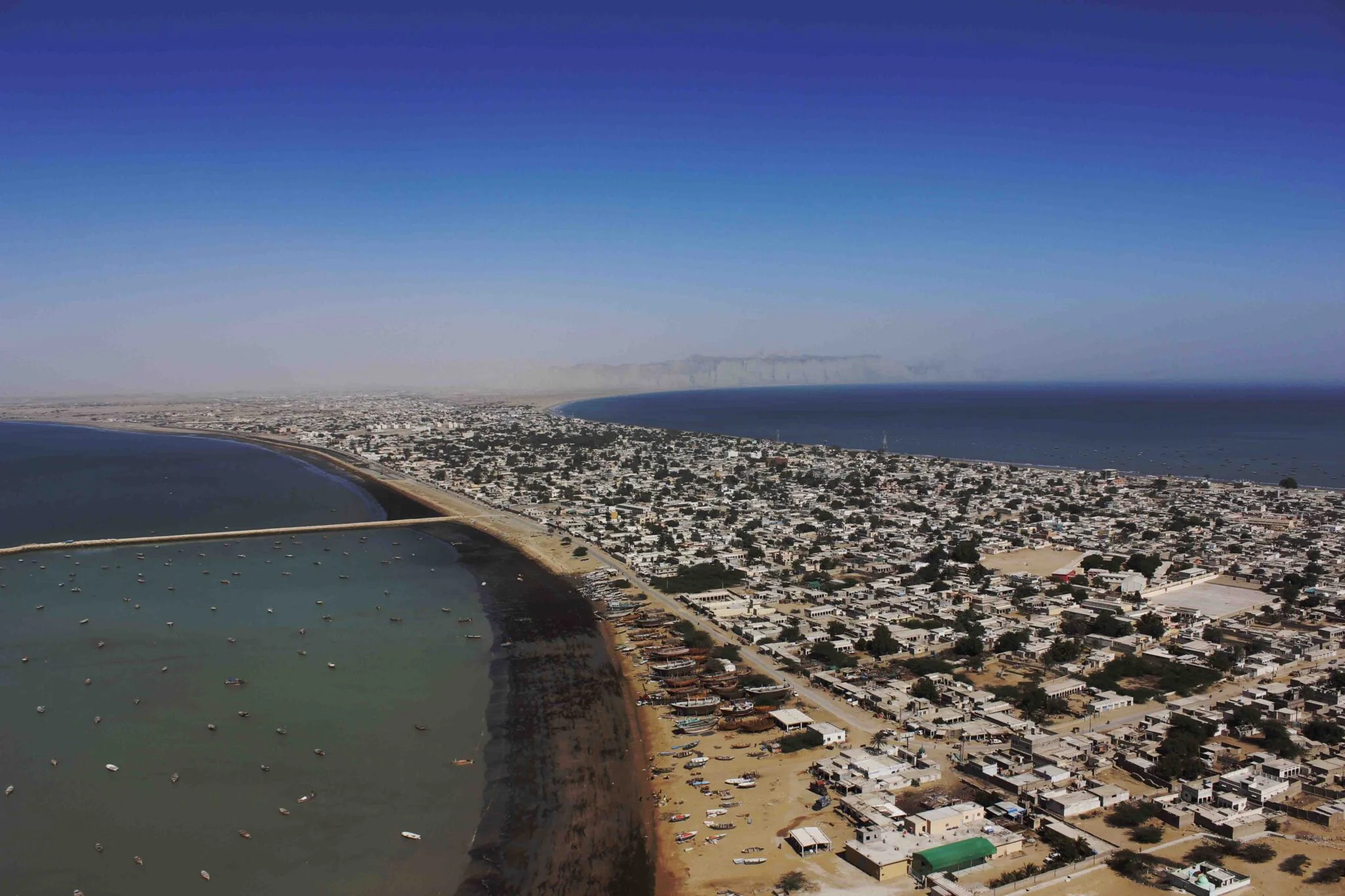
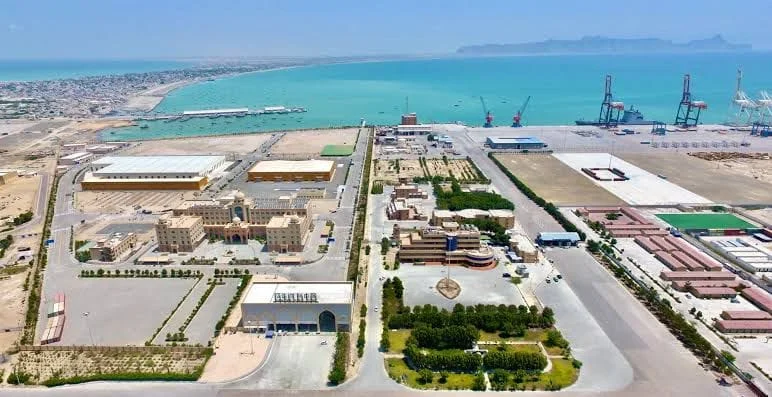
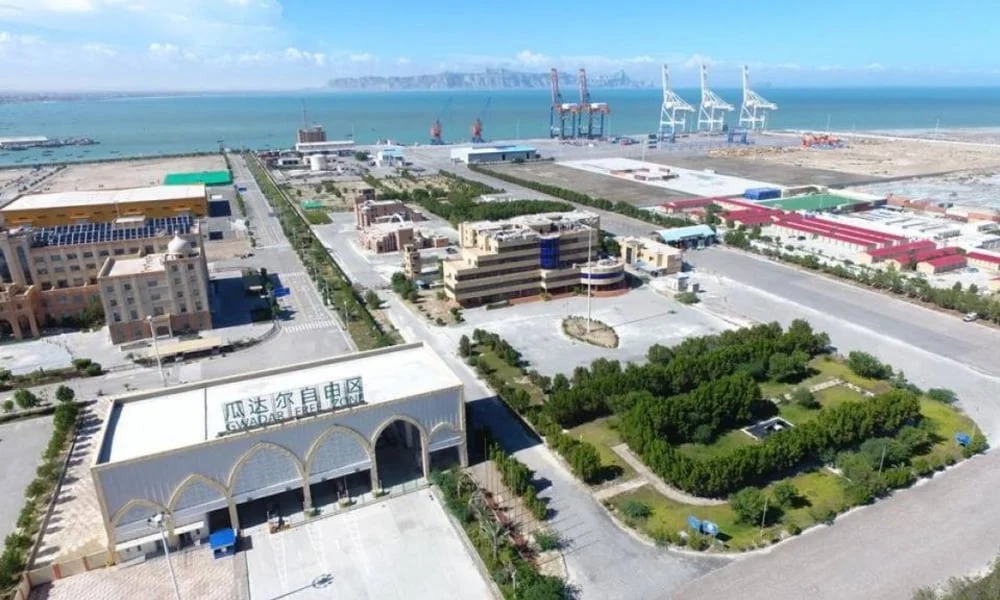
Gwadar itself is also changing the way investors think about property in Balochistan. The city is associated with Gwadar Port, CPEC, regional trade, infrastructure development, tourism, logistics, and long-term urban planning. That wider transformation means investors are no longer looking only at today’s surroundings; they are also asking what a location could look like five, ten, or fifteen years from now. Canadian City Gwadar enters this conversation as a planned residential and commercial development designed to participate in that long-term urban growth.

Why Canadian City Gwadar Is Considered a Top Housing Scheme
When people search for the top housing scheme in Gwadar, they usually want more than a low-priced plot. They want confidence that the project has a meaningful location, recognizable regulatory status, suitable property options, and a development vision that can remain relevant as the city expands. Canadian City Gwadar’s official project information highlights its GDA-related regulatory status, 346-acre footprint, “A” Category positioning, residential and commercial plots, and location on Main Mand Avenue.
There is an important distinction between saying a project is “the best” and explaining why it can be considered a strong contender. No housing scheme is automatically perfect for every buyer because investment objectives are different. A family searching for a future home may care about roads, neighborhood planning and community facilities, whereas a commercial investor may focus on frontage, accessibility and future business activity. Someone investing for capital appreciation may be more interested in entry price, development momentum and the surrounding growth corridor.
Canadian City Gwadar has several characteristics that make it attractive within this framework. Its official website describes the project as a large-scale community with residential and commercial options, modern facilities and infrastructure objectives. It also identifies the project as part of the “A” Category of Gwadar Master Plan Phase 1. These factors do not remove the need for due diligence, but they provide useful starting points for investors comparing properties.
Strategic Location and Connectivity
Location is one of the most important principles in real estate, and Gwadar is a city where location can become even more significant because of its expanding transportation and economic network. Canadian City Gwadar’s official project information identifies its location on Main Mand Avenue, described by the developer as a major trade route. For property investors, the practical question is not simply whether a project has a road nearby; it is how that road connects the development with commercial areas, residential districts, major infrastructure and future economic activity.
A well-positioned housing development can benefit when surrounding infrastructure improves because better accessibility can increase the usefulness of land. Think of a road network as the bloodstream of a city: commercial activity, residents, services and investment move through it. As Gwadar’s urban structure develops, connectivity can influence which areas become easier to access and which locations attract new businesses and residents.
That is why buyers should study the actual location on a map, inspect access roads, examine approved layouts and understand nearby development rather than relying only on promotional descriptions. Canadian City Gwadar’s location is one of the reasons it is being marketed as a significant housing and investment opportunity in Gwadar. Its location should therefore be evaluated alongside its documentation, development status and the wider master-plan context.
Canadian City Gwadar at a Glance
Canadian City Gwadar is presented as a mixed residential and commercial development rather than a project limited to one type of property. The developer’s official project page states that the scheme extends over approximately 346 acres and offers residential and commercial plots. The project also describes itself as being located on Main Mand Avenue and as aiming to provide an international-standard lifestyle with modern facilities and infrastructure.
For an investor, this mix can be useful because different property categories serve different purposes. Residential plots are naturally relevant to families and people planning future homes, while commercial plots may appeal to buyers who are thinking about shops, offices, outlets or other business uses. Having both categories within a broader planned development can create a more complete community ecosystem as development progresses.
The project’s official material lists residential options including 5 Marla, 6 Marla, 10 Marla, 1 Kanal and 2 Kanal, while commercial options include smaller commercial categories. The availability of different sizes means buyers can consider the project according to their budget rather than assuming that every investor needs the same type of property.
A buyer should still verify the latest inventory and payment terms directly before making a purchase because property availability, prices, installment schedules and development charges can change. The strongest investment decision is one based on current documents and actual figures, not an old brochure or social-media post.
GDA Approval and Regulatory Verification
Regulatory status is one of the most important subjects for anyone considering property in Gwadar. Canadian City appears on the official Gwadar Development Authority NOC Verification portal as a housing project. The GDA listing identifies Canadian City with NOC number 26/05/HS/GDA, an issuance date of 14 July 2005, owner names including Haji Lal Baksh and Mushtaq Khokar, and a current status of “restored.”
This official listing is particularly useful because it allows prospective buyers to distinguish between a marketing claim and information appearing on an authority’s own verification system. The developer’s website describes Canadian City Gwadar as GDA approved and as being listed in the “A” Category of Gwadar Master Plan Phase 1. Buyers should nevertheless check the latest official documentation before completing a transaction because regulatory records and project circumstances can change.
A property investor should never rely on a single statement such as “approved” without asking for the relevant documentation. The NOC, approved layout plan, ownership records, transfer procedure, development status and applicable charges should all be examined. If the purchase involves a specific plot, the buyer should also confirm that the plot falls within the approved project boundaries and that the seller has valid authority to transfer it.

Why NOC Verification Matters
NOC verification matters because property is a long-term financial commitment. A buyer may spend years paying for a plot, and documentation problems discovered later can create unnecessary complications. Checking the relevant authority’s records before investing is therefore one of the simplest ways to improve the quality of a property decision.
The GDA’s online verification system currently provides information about housing schemes and their NOC records, making it a useful starting point for due diligence. The Canadian City entry appearing there provides prospective buyers with an official reference point rather than forcing them to depend entirely on third-party claims.
This does not mean that an NOC alone guarantees future profitability. Approval and investment performance are separate questions. A legally documented project can still experience different market conditions, while a property’s future value can depend on development, demand, accessibility, infrastructure and broader economic factors.
For that reason, investors should treat regulatory verification as the foundation of their research rather than the entire research process. In simple terms, verify first, calculate second, and invest only when the overall picture makes sense.
346-Acre Planned Development
Scale can influence how investors view a housing project because a larger planned area can provide room for residential neighborhoods, commercial activity, roads, public spaces and community facilities. Canadian City Gwadar’s official website states that the development covers approximately 346 acres.
A development of this scale should be considered as more than a collection of individual plots. The real value of a planned community comes from how its different components work together. Roads need to connect neighborhoods, commercial areas need visibility and access, residential areas need supporting services, and infrastructure needs to develop in a coordinated manner. If these elements progress together, a housing scheme can become more useful and attractive over time.
The project’s stated vision includes modern facilities and an international-standard lifestyle. For buyers, the important question is how that vision translates into actual development. Investors should therefore monitor construction, roads, utilities, community facilities and surrounding activity instead of evaluating the project only on its master plan.
Large-scale projects can also provide greater variety for different types of buyers. Someone may want a smaller residential plot, while another investor may be interested in a larger home site or commercial property. Canadian City Gwadar’s broad range of plot categories is one of the features that gives the development flexibility in targeting different market segments.
Residential Plot Options in Canadian City Gwadar
Residential property remains one of the most familiar forms of real estate investment because land can eventually be used to construct a home or held as a longer-term asset. Canadian City Gwadar’s official information lists several residential plot categories, including 5 Marla, 6 Marla, 10 Marla, 1 Kanal and 2 Kanal. This range gives buyers the ability to think about their property purchase according to their intended use and financial capacity.
A smaller plot may be appropriate for a buyer who wants to control the initial investment, while a larger plot may suit a family seeking a spacious future residence. Investors should not assume that bigger automatically means better. The correct plot is the one that matches the buyer’s financial plan, intended holding period and future objective.
Before purchasing a residential plot, it is sensible to examine location within the scheme. A corner plot, main-road plot, park-facing plot or plot near planned commercial activity can have different characteristics from a plot located deeper inside a block. Buyers should also investigate road widths, utilities, development status and the approved layout.
The broader purpose of the investment matters too. If the buyer intends to build a home, livability should be the priority. If the buyer plans to hold the plot for several years, then future accessibility and surrounding development may become more important. Canadian City Gwadar’s residential variety allows these different strategies to be considered within the same project.
Choosing the Right Residential Plot
Choosing a residential plot should begin with a simple question: What do you actually want to achieve with this property? If the goal is to build a family home, the best plot may not be the one with the highest speculative potential. A buyer may instead prioritize peaceful surroundings, access roads, plot orientation, neighborhood planning and proximity to future facilities.
If the goal is investment, the calculation changes. The buyer may compare plot size, price, location within the project, expected development timeline and future demand. A realistic investment plan should also include transfer costs, taxes, development charges and any other expenses rather than looking only at the advertised plot price.
Another important point is affordability. Real estate becomes stressful when the investment is larger than the buyer’s financial capacity. A manageable plot purchased with a sensible strategy can be more valuable to an investor than a larger property that creates excessive financial pressure.
Canadian City Gwadar’s range of residential plot sizes provides flexibility, but flexibility works best when the buyer has a clear objective. The project may be considered among the leading housing options in Gwadar, but the best individual plot is ultimately the one that fits the buyer’s circumstances.
Commercial Plots and Business Opportunities
Commercial property can be attractive because it connects real estate with economic activity. A residential plot primarily serves housing demand, while a commercial plot can potentially benefit from businesses, shops, offices and services that develop around growing communities. Canadian City Gwadar offers commercial plot options alongside its residential inventory, making it possible to consider both sides of the property market within one planned development.
The developer’s official project information highlights commercial plots including 2 Marla and 4 Marla categories. Smaller commercial plots can be interesting for investors who want exposure to business property without committing to a very large site, although the actual suitability depends heavily on location, frontage, road activity and future commercial demand.
Commercial investment requires a different mindset from residential investment. A buyer should examine visibility, traffic, access, neighboring businesses and the intended commercial use. A cheap commercial plot in a location with limited activity may not necessarily outperform a more expensive plot in a stronger commercial corridor.
Gwadar’s wider economic development adds another layer to this discussion. The city’s connection with port activity, trade, logistics and infrastructure gives investors a reason to examine how future economic activity could influence property demand. That does not guarantee returns, but it makes commercial property an important part of the broader Gwadar investment conversation.
Canadian City Gwadar and Gwadar’s Future Growth
Gwadar is being planned as more than a conventional residential city. Its development story is connected with the port, trade, infrastructure, economic activity and the Gwadar Smart Port City Master Plan. Recent reporting has highlighted a proposed long-term development programme covering areas such as the Central Business District, commercial centres, housing, roads, drainage and sewerage.
For property investors, city-level development is important because real estate does not exist in isolation. A housing scheme can benefit from better roads, utilities, employment opportunities, commercial centers and public infrastructure surrounding it. Think of property as a tree: the plot is the trunk, but the surrounding infrastructure and economy are the soil, water and sunlight that influence how the broader environment develops.
Canadian City Gwadar’s positioning within this larger urban story is one reason it attracts attention. The project’s official material describes it as a residential and commercial development designed around an international-standard community. As Gwadar continues to develop, investors can monitor whether the city’s infrastructure expansion translates into stronger demand for housing and commercial property.
The key word is potential. Future development should never be treated as a guaranteed return. Instead, it should be considered one factor in a larger investment calculation. Investors who combine city-level research with project-level due diligence will generally have a better foundation for making property decisions.
CPEC, Gwadar Port and Investment Potential
Gwadar’s international profile has been strongly influenced by Gwadar Port and the China-Pakistan Economic Corridor (CPEC). The city occupies an important geographical position on the Arabian Sea, and its development has been associated with trade, logistics, transportation and regional connectivity. Canadian City Gwadar’s official website also highlights the city’s strategic importance and its relationship with CPEC and Gwadar Port.
Why does this matter to housing investors? Economic activity can influence population movement, business demand and the need for residential and commercial space. When new infrastructure connects areas more effectively, property markets often begin to respond to changing patterns of accessibility and demand. The process is not automatic, but the relationship between infrastructure and real estate is one of the most important ideas to understand when evaluating an emerging city.
Canadian City Gwadar is marketed within this broader narrative, positioning its residential and commercial plots as opportunities connected with Gwadar’s long-term development. That positioning makes the project relevant to investors who believe in the city’s growth story and are willing to evaluate property over a longer time horizon.
At the same time, investors should avoid treating CPEC or Gwadar Port as a guarantee that every nearby property will increase in value. Real estate performance depends on many variables. A disciplined investor should ask where actual development is taking place, whether infrastructure is operational, what demand exists, and whether the specific project is progressing according to its approved plan.
Infrastructure and Development Vision
Infrastructure is what transforms a collection of plots into a functioning community. Roads, electricity, water, drainage, commercial spaces and public facilities all contribute to whether a housing scheme can become a practical place to live and work. Canadian City Gwadar’s official project information promotes infrastructure development, modern amenities and an international-standard lifestyle as part of its overall concept.
For buyers, however, there is a difference between planned infrastructure and completed infrastructure. A master plan shows what a project intends to provide, while physical inspection shows what exists today. Investors should therefore ask for current development information and, where possible, visit the project site.
Infrastructure also affects the investment timeline. A plot may have potential but require several years before the surrounding environment becomes mature enough to support strong residential or commercial activity. Investors who understand this timeline are better positioned to make decisions based on realistic expectations rather than short-term excitement.
Canadian City Gwadar’s development vision is therefore best viewed as a long-term proposition. The project offers a framework of residential and commercial property, while Gwadar’s wider development provides the economic context. The combination is attractive, but the final investment decision should always depend on verified project progress and the buyer’s own financial strategy.
Canadian City Gwadar vs Other Housing Schemes
Comparing Canadian City Gwadar with other housing schemes in Gwadar requires more than creating a simple list of projects. Each housing scheme can have different locations, plot sizes, development stages, regulatory records, prices and target markets. A buyer interested in the top housing scheme in Gwadar should therefore build a comparison based on measurable factors rather than popularity alone.
| Factor | Canadian City Gwadar | What Buyers Should Compare |
| Regulatory status | Listed on GDA NOC verification portal; current status shown as restored | Verify the latest official record |
| Project size | Approximately 346 acres | Compare approved project area |
| Master-plan positioning | Developer states “A” Category, Phase 1 | Verify relevant planning documents |
| Property types | Residential and commercial plots | Compare available categories |
| Residential options | 5, 6, 10 Marla, 1 Kanal and 2 Kanal listed by developer | Match size to budget |
| Commercial options | 2 Marla and 4 Marla categories listed | Evaluate commercial location |
| Location | Main Mand Avenue according to project information | Inspect accessibility and surroundings |
| Investment approach | Residential and commercial | Match with investment objective |
The comparison shows why Canadian City Gwadar deserves consideration, but it should not be interpreted as proof that every investor will find it superior to every other project. The best housing scheme is ultimately the project that satisfies a particular buyer’s requirements. Someone may prioritize proximity to the sea, someone else may want a large residential plot, and another investor may want a commercial property with strong visibility.
The strongest comparison is therefore evidence-based. Check regulatory status, approved layout, development, accessibility, pricing, transfer procedures and actual surroundings. When those factors are compared consistently, investors can make a much more informed decision.
Why Location Matters in Gwadar Real Estate
Location has always been a central principle of property investment, but it becomes particularly important in an emerging city. Gwadar’s future urban footprint is expected to involve expanding residential, commercial, transportation and economic zones. This means today’s quiet area could potentially become more accessible as infrastructure develops, while another location may remain less connected.
Canadian City Gwadar’s official material identifies Main Mand Avenue as its location and describes the route as a major trade corridor. Investors should independently examine this location rather than accepting any description without verification. A map, site visit and review of the approved layout can reveal details that a promotional paragraph cannot.
Accessibility is only one part of location. Buyers should also examine nearby developments, road widths, commercial activity, utilities and the direction of urban expansion. A property with good connectivity and surrounding development may have a different market profile from a similar property in an isolated location.
This is why the phrase “location, location, location” still matters. A plot is not an island. Its future usefulness depends partly on how easily people can reach it and what develops around it. For investors considering Canadian City Gwadar, location should therefore be evaluated as carefully as the plot size and price.
Investment Considerations for 2026
The property market in 2026 requires a more careful approach than simply buying land because someone predicts that prices will rise. Investors have access to more information than ever before, which means they can compare projects, verify regulatory records and investigate development progress before committing funds.
Canadian City Gwadar has several characteristics that make it relevant to this discussion, including its stated 346-acre area, residential and commercial options, Main Mand Avenue location and GDA-related regulatory record. These factors create a reasonable basis for research, but they should be combined with current pricing and financial calculations.
An investor should determine the total amount required, not simply the advertised installment. Transfer fees, taxes, development charges and other costs can affect the real investment amount. The investor should also decide how long they are prepared to hold the property. A short-term buyer and a ten-year investor have very different risk profiles.
The most important question may be surprisingly simple: Can you comfortably afford to wait? Real estate development takes time. If an investor needs immediate liquidity, a long-term development project may not be suitable. If the investor has a longer horizon and accepts market risk, the calculation can look very different.
Who Should Consider Canadian City Gwadar?
Canadian City Gwadar may be relevant to several categories of property buyers. Families looking for future residential land can examine the residential plot options, while investors interested in business property can research the commercial categories. Overseas Pakistanis may also find planned developments worth investigating when they want exposure to Pakistan’s real estate market, although they should use appropriate legal and financial due diligence.
The project is particularly worth examining for buyers who prefer a combination of residential and commercial opportunities within one broader development. Its official project information presents it as a mixed-use community with multiple plot categories and an international-standard development vision.
However, suitability depends on individual circumstances. Someone with a very short investment horizon may have different requirements from a buyer planning to hold land for years. Similarly, someone who wants an immediate constructed house should compare developed neighborhoods with undeveloped plots before making a decision.
The right approach is not to ask whether Canadian City Gwadar is suitable for everyone. Instead, ask whether its location, regulatory record, development strategy, plot options and pricing fit your investment objective. That mindset turns property buying from an emotional decision into a structured financial decision.
Benefits of Investing in a Planned Housing Scheme
A planned housing scheme can provide advantages that individual land purchases may not offer. In a planned development, roads, blocks, plot categories, commercial areas and community facilities are generally considered within a broader layout. This can make the development easier to understand and potentially easier to market as the area matures.
Canadian City Gwadar’s project information emphasizes planned infrastructure, residential and commercial property and community facilities. The project’s stated 346-acre scale also gives it room for different forms of development.
Another advantage is variety. A buyer can choose a residential plot for future construction or investigate a commercial plot for business purposes. This flexibility allows different investment strategies to coexist within one project.
Still, planned does not automatically mean successful. The actual performance of a housing scheme depends on implementation. Investors should monitor development progress and compare what has been completed against what has been promised. The difference between a beautiful master plan and a functioning community is execution.
What Buyers Should Verify Before Purchasing
Before buying property in Canadian City Gwadar—or any housing scheme in Gwadar—buyers should conduct thorough due diligence. The first step is regulatory verification. The GDA’s current online NOC portal lists Canadian City with NOC number 26/05/HS/GDA and shows the status as restored. Buyers should check the latest record themselves before proceeding.
The next step is document verification. Review the approved layout plan, ownership documentation, plot status, transfer procedure and any applicable charges. If purchasing through an agent, verify the agent’s authority and request documentation rather than relying on verbal assurances.
A site visit is also valuable. Look at access roads, development activity, utilities and the surrounding environment. If possible, compare the physical site with the approved layout so that you understand exactly what you are buying.
Finally, calculate the financial commitment. Do not focus only on the monthly installment or headline price. Add all foreseeable charges and determine whether the investment remains affordable under different market conditions.
A careful buyer does not rush because someone says, “Prices will double soon.” A careful buyer asks for evidence, verifies documents and makes a decision based on facts.

Long-Term Potential of Gwadar Real Estate
Gwadar’s long-term property potential is closely connected with its transformation into a more developed port and urban center. The city’s planning framework, infrastructure programmes and economic ambitions create a broader environment in which residential and commercial property can potentially become more valuable as activity increases. Recent reporting has described a proposed ten-year development programme involving major infrastructure and urban projects.
Canadian City Gwadar is positioned within this larger story as a residential and commercial development. Its official website highlights its 346-acre footprint, GDA-related status and “A” Category positioning. These features make it a project that long-term investors can research.
The key consideration is time. Urban transformation rarely happens overnight. Roads, utilities, businesses and residential communities develop in stages. Property investors therefore need patience and realistic expectations.
If Gwadar continues to attract infrastructure, business and population growth, well-positioned housing projects may benefit from increasing demand. But this remains an investment possibility rather than a guaranteed outcome. The future value of any specific plot depends on many factors, including location, development, market conditions and actual demand.
Canadian City Gwadar as a Residential Destination
A successful housing scheme should eventually become more than an investment vehicle. It should become somewhere people actually want to live. Canadian City Gwadar’s official project concept emphasizes an international-standard lifestyle, modern amenities and planned infrastructure.
For families, the appeal of a residential community can come from its layout, accessibility and potential for supporting services. A good residential environment needs functioning roads, utilities, security, commercial access and a sense of community. These elements are what eventually transform land into a neighborhood.
The availability of several residential plot sizes also allows families with different space requirements to consider the project. Smaller plots can serve buyers seeking a more manageable property, while larger options may suit people planning substantial homes.
Whether Canadian City Gwadar ultimately becomes a major residential destination will depend on continued development and actual occupancy. Investors should therefore monitor progress rather than assuming that future amenities are already operational.
Why Canadian City Gwadar Deserves Investor Attention
Canadian City Gwadar deserves attention because several relevant property-investment factors come together in one project. The developer identifies the project as approximately 346 acres, with residential and commercial plots, a Main Mand Avenue location and “A” Category positioning within Gwadar Master Plan Phase 1. The official GDA NOC verification portal also currently lists Canadian City and shows its NOC status as restored.
These details do not make investment risk disappear, but they give buyers meaningful points to investigate. In a market where property advertisements can sometimes focus heavily on future promises, independently verifiable information is especially valuable.
The project’s combination of residential and commercial opportunities is another reason it stands out. Investors can evaluate different property categories according to their goals rather than being limited to one type of plot.
For people searching online for the top housing scheme in Gwadar, Canadian City Gwadar can therefore be placed high on the research list. The sensible next step is not to buy immediately; it is to compare the project against alternatives using documentation, location, development, pricing and long-term objectives.
Frequently Asked Questions
1. Which is the top housing scheme in Gwadar?
Canadian City Gwadar is a strong contender for the top housing scheme in Gwadar, based on its stated 346-acre development, residential and commercial property options, Main Mand Avenue location, and GDA-related regulatory status. The developer also describes it as an “A” Category project in Gwadar Master Plan Phase 1. However, investors should compare individual projects according to their own budget, location requirements and investment objectives.
2. Is Canadian City Gwadar listed with GDA?
Yes. The official GDA NOC Verification portal currently lists Canadian City as a housing project with NOC number 26/05/HS/GDA, issued on July 14, 2005. The current record displays the status as “restored.” Buyers should always verify the latest official record and documentation before purchasing.
3. What plot sizes are available in Canadian City Gwadar?
According to the project’s official information, residential options include 5 Marla, 6 Marla, 10 Marla, 1 Kanal and 2 Kanal. Commercial options include 2 Marla and 4 Marla categories. Current availability and prices should be confirmed directly from the latest official sales information.
4. Why is Gwadar considered an important real estate market?
Gwadar has strategic importance because of its port, geographical position, CPEC-related development and long-term urban planning. Infrastructure and economic development can influence future accessibility, business activity and housing demand. These factors make Gwadar a market worth monitoring, although they do not guarantee that every property will appreciate.
5. Is Canadian City Gwadar suitable for long-term investment?
Canadian City Gwadar may be worth considering for investors with a long-term perspective because of its planned development, range of property options and position within Gwadar’s wider growth story. However, real estate investment always involves risk. Buyers should independently verify documentation, inspect the site, calculate the complete investment cost and make decisions according to their own financial circumstances.