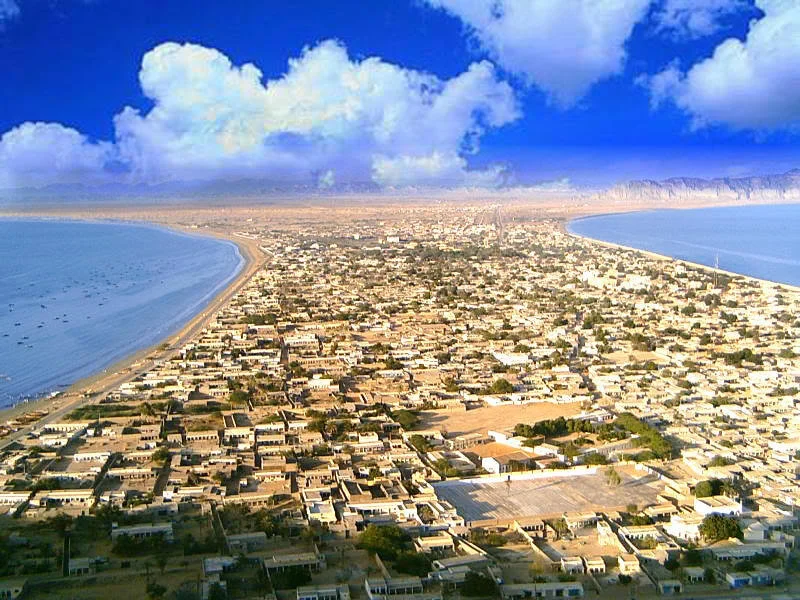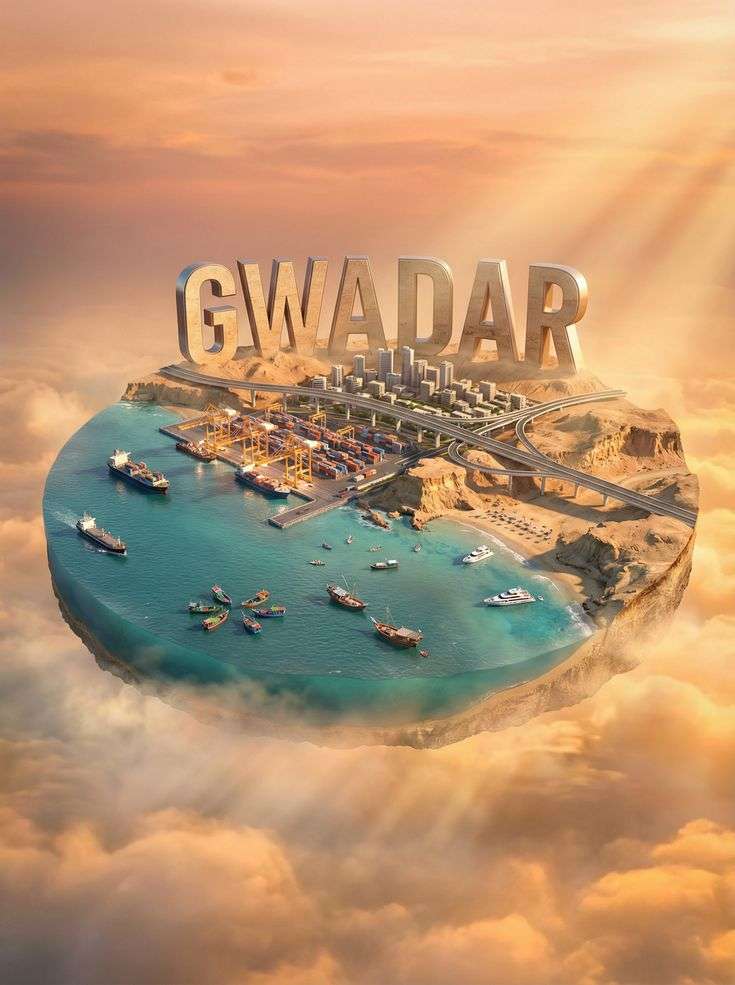
The Strategic “Warm Water” Gateway
Gwadar is a natural deep-sea port, meaning it can handle massive “mother ships” that shallower ports cannot. Its location at the mouth of the Persian Gulf (near the Strait of Hormuz) puts it at the center of the world’s most important oil shipping lanes.
The Linchpin of CPEC
As the southern terminal of the China-Pakistan Economic Corridor (CPEC), Gwadar connects Western China to the Arabian Sea.
• For China: It offers a 3,000-km “shortcut” for trade, bypassing the risky and much longer route through the Strait of Malacca.
• For Pakistan: It transforms the country into a major transit hub for trade moving between China, Central Asia, and the Middle East.
Economic “Game Changer”
• Trade Volume: In early 2026, Gwadar hit a record high, processing over 11,000 containers in a single month, signaling its transition from a “project” to a functional commercial powerhouse.
• Special Economic Zones: The Gwadar Free Zone attracts foreign investment in manufacturing, assembly, and logistics, creating thousands of local jobs.
• Blue Economy: It opens doors for modernizing Pakistan’s fishing industry and exploring offshore mineral and energy resources.
Regional Connectivity
Gwadar is the closest sea access for landlocked Central Asian republics like Uzbekistan and Turkmenistan and Afghanistan. By providing these nations with a trade route, Pakistan gains significant diplomatic leverage and transit revenue.
Infrastructure & Modernization
The recent completion of the New Gwadar International Airport (Pakistan’s largest by area) and the Eastbay Expressway has finally linked the port to national highways, making the movement of goods faster and cheaper than ever before.