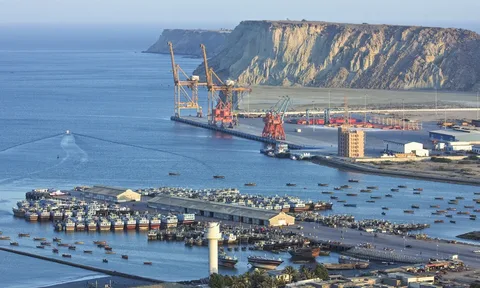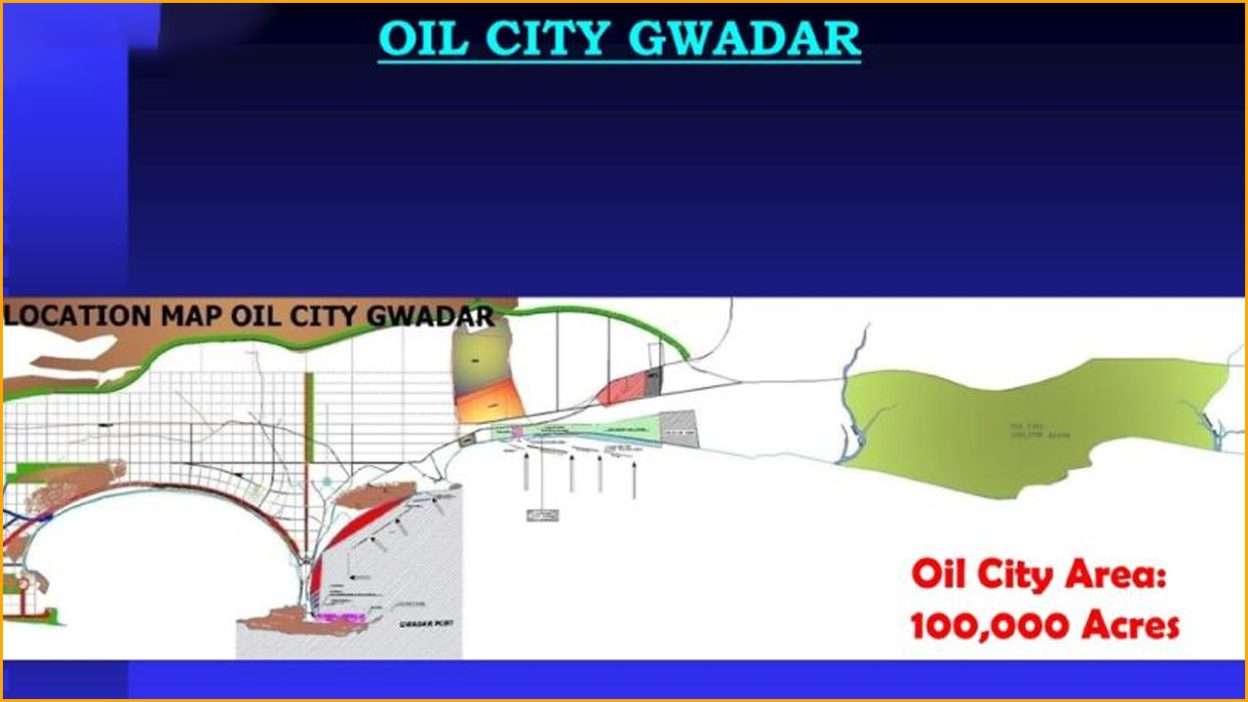
The dream of a $10 billion “Greenfield Refinery Project” in Gwadar has long been the crown jewel of Pakistan’s energy ambitions. Designed to revolutionize the country’s fuel security and industrial landscape, the project has faced a rollercoaster of geopolitical shifts and economic realities.
As of April 2026, the narrative is shifting. While the vision for Gwadar remains, a more pragmatic “Brownfield” strategy is taking center stage. Here is everything you need to know about the current status of the Saudi-Pakistan energy partnership.
The Vision: A $10 Billion Energy Powerhouse
The project, backed by Saudi Aramco in collaboration with Pakistani state-owned giants (PSO, OGDCL, PPL, and GHPL), was designed as a massive integrated refinery and petrochemical complex.
- Capacity: 300,000 to 400,000 barrels per day (bpd).
- Strategic Goal: To slash refined product imports and turn Gwadar into a regional energy hub.
However, despite a finalized framework and a major MoU signed in late 2023, the project has struggled to reach a Final Investment Decision (FID). By early 2026, shifting regional politics and global economic constraints have left the Greenfield project in a state of cautious delay.
The Pivot: From “Greenfield” to “Brownfield”
Recognizing that a massive project in Gwadar is a long-term play, Pakistan has shifted its immediate focus toward upgrading existing infrastructure. This is often referred to as the “Brownfield” expansion.
The spotlight is currently on the Pakistan Refinery Limited (PRL) expansion:
- The Project: The Refinery Expansion and Upgrade Project (REUP).
- The Investment: A $4–5 billion invitation for Saudi participation.
- The Objective: Double PRL’s capacity from 50,000 bpd to 100,000 bpd and transition to Euro V-compliant fuels, meeting modern environmental standards.
Key Takeaway: While the Gwadar mega-refinery remains a “dream on the table,” the PRL upgrade offers a faster, more cost-effective route to domestic energy stability.
The 2026 Landscape: The Iran Factor
The energy equation in Pakistan has been further complicated by recent diplomatic breakthroughs. As of April 2026, US-Iran peace talks have introduced a new variable: the revival of the Iran-Pakistan (IP) pipeline.
If sanctions on Iran continue to ease, Pakistan faces a strategic choice. It could prioritize Iranian-backed projects—including a separate proposed 400,000 bpd refinery in Gwadar—alongside or even in place of the Saudi venture.
Project Snapshot at a Glance
| Feature | Details |
| Estimated Cost | $10 Billion |
| Refining Capacity | 300,000 – 400,000 bpd |
| Primary Location | Gwadar, Balochistan |
| Key Partners | Saudi Aramco, PSO, OGDCL, PPL, GHPL |
| Current Status | Framework finalized; awaiting Final Investment Decision (FID) |
Looking Ahead
Saudi Arabia remains a cornerstone of Pakistan’s economic stability, recently pledging a $1 billion oil financing facility for the 2025–26 fiscal year. However, the path to a $10 billion refinery is no longer a straight line.
Between the immediate “Brownfield” upgrades at PRL and the emerging diplomatic openings with Iran, Pakistan’s energy strategy is becoming more diversified, flexible, and complex than ever before. Whether Gwadar eventually hosts a Saudi-led giant or an Iranian-backed alternative, the goal remains the same: energy independence.